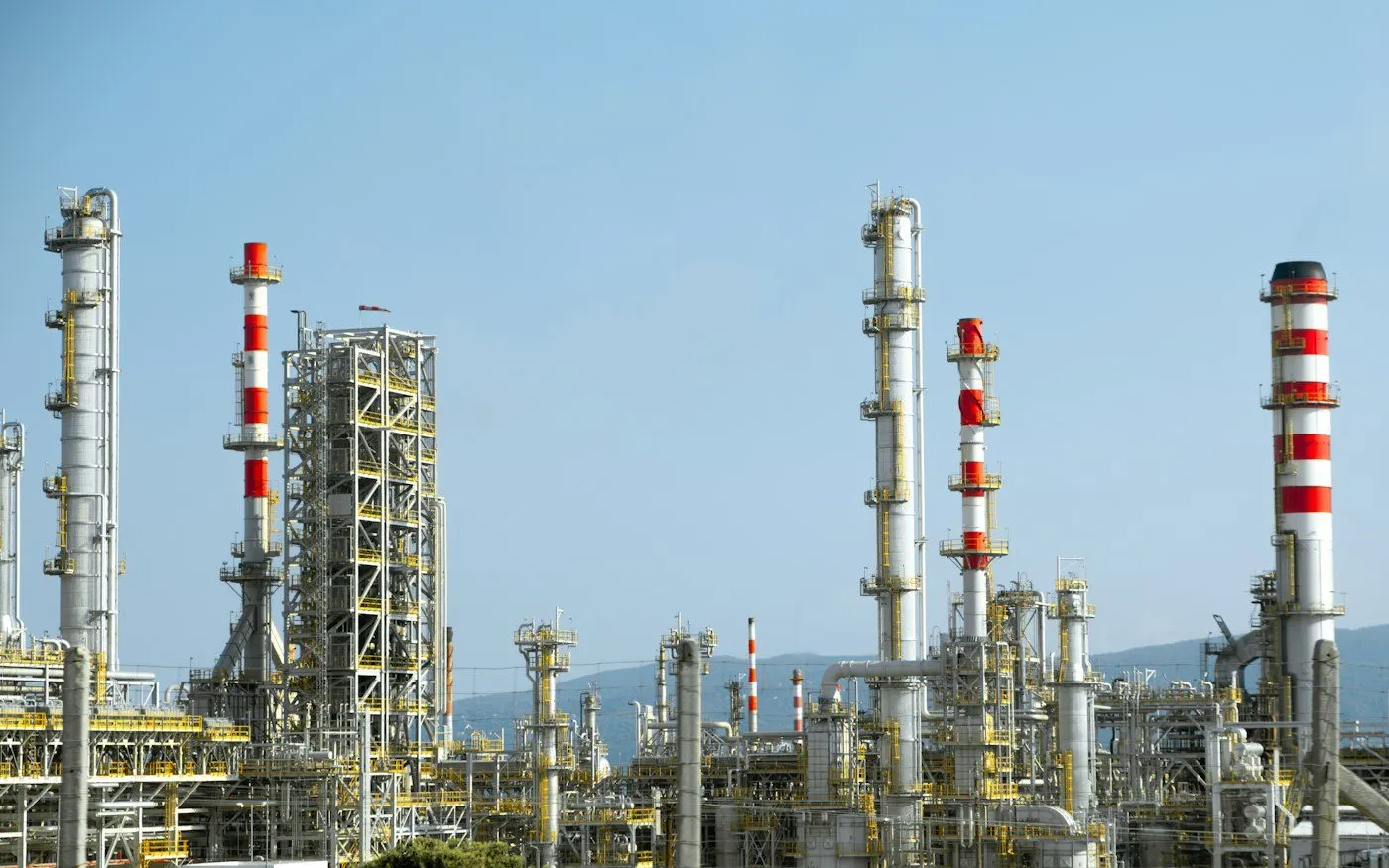
Where the hazardous areas are
In oil and gas, hazardous areas follow the hydrocarbons: wellheads and drilling rigs, platforms, pipeline pumping stations, and refinery process units, tank farms and loading racks. Typically the inside of tanks is Zone 0, the area around vents and sampling points Zone 1, and areas where an explosive atmosphere is not expected in normal operation Zone 2.
Methane, the main component of natural gas, is IIA T1; hydrogen-rich streams, as in hydrotreating and reforming, generally require equipment suitable for Group IIC. Hydrogen sulphide (H2S) is IIB T3 and highly toxic.
Typical requirements
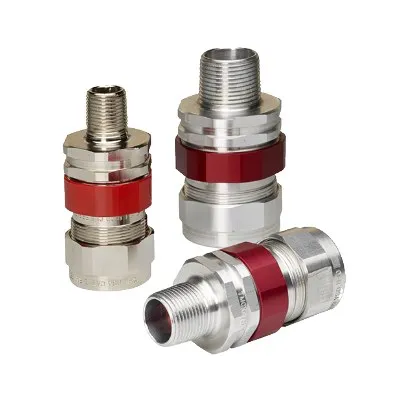
- Corrosion and salt spray: offshore and on the coast, use stainless steel or GRP, stainless fixings and cable glands in compatible materials.
- Ambient temperature: IEC 60079-0 assumes -20 to +40 °C as standard; outside this range, check the equipment marking.
- Vibration: drilling rigs, compressors and pumps need suitable mounting and glands.
- IP rating: outdoors, IP66 or higher is a common specification.
- Standards: Directives 2014/34/EU and 1999/92/EC; IEC/EN 60079-10-1, IEC/EN 60079-14 and IEC/EN 60079-17 for classification, installation and inspection; international projects often also require IECEx.
Products for this sector
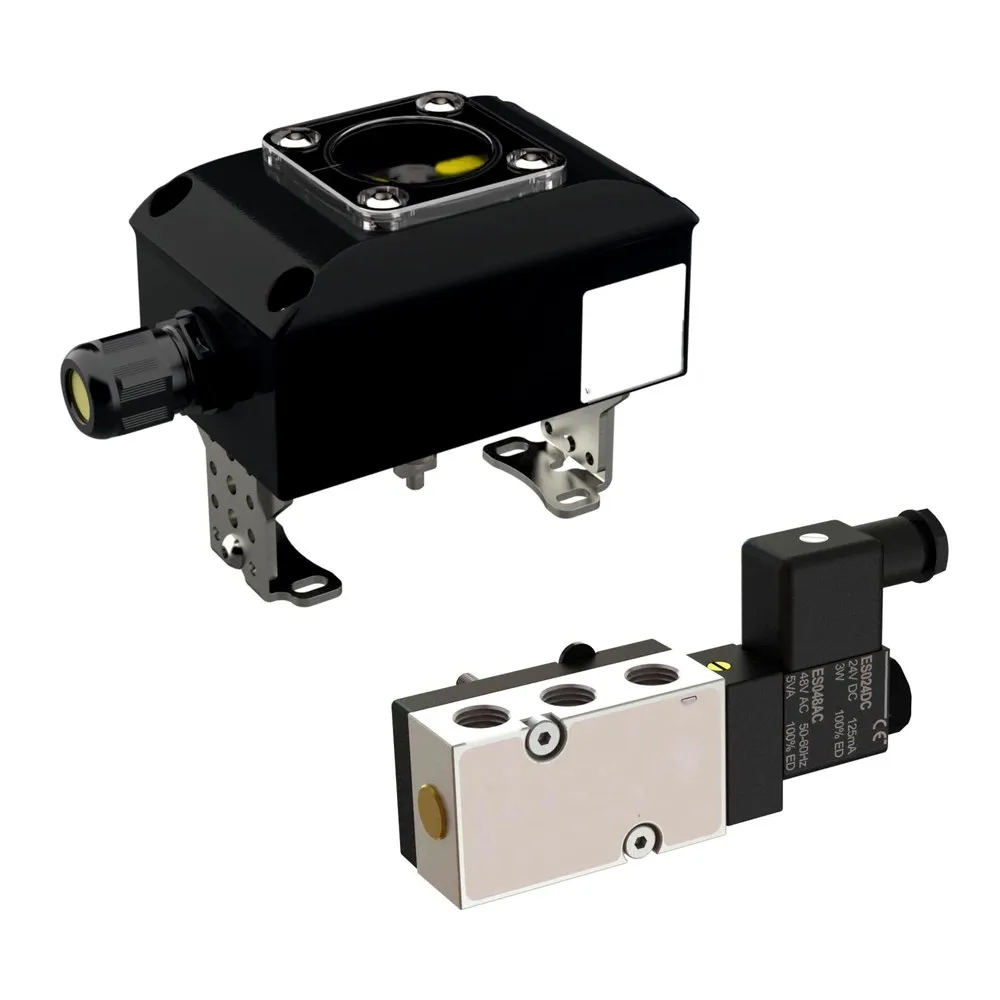
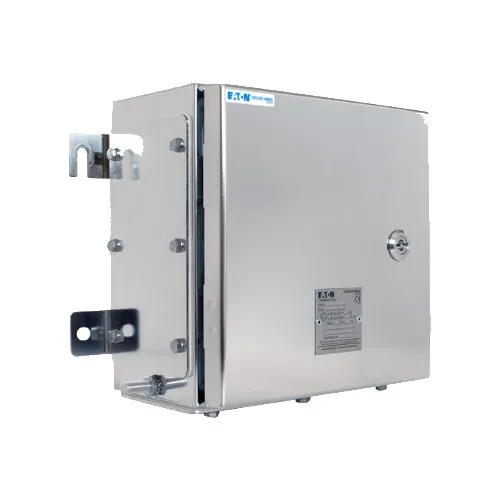
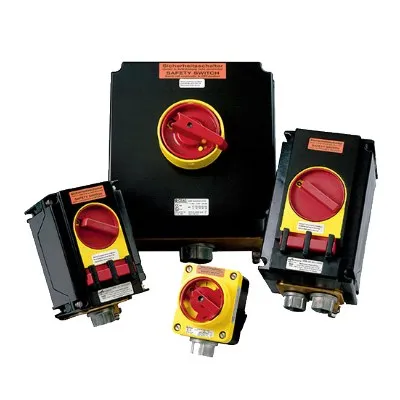
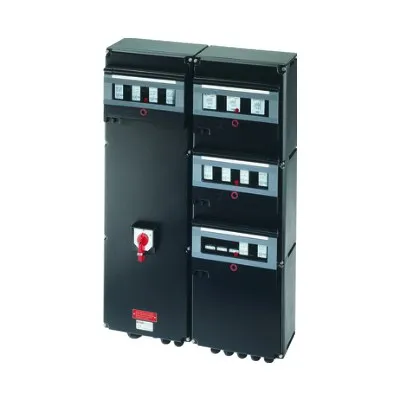
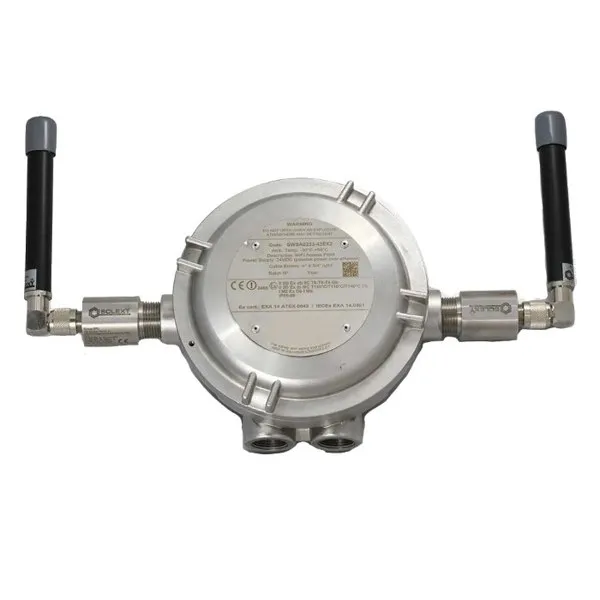
- Enclosures, junction boxes and control stations: Ex e junction boxes, Ex d flameproof enclosures and control stations for pumps and compressors.
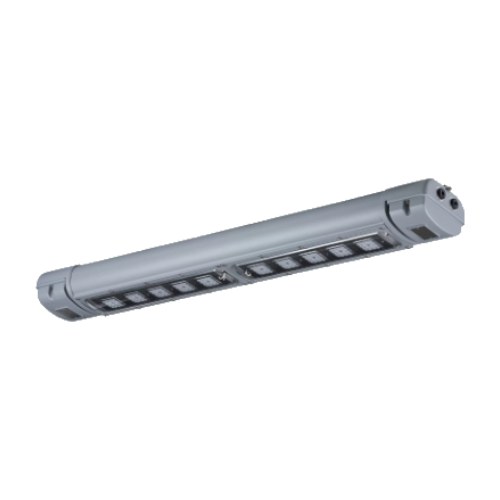
- Lighting: LED linear luminaires, floodlights and emergency lighting for process areas, offshore modules and loading racks.
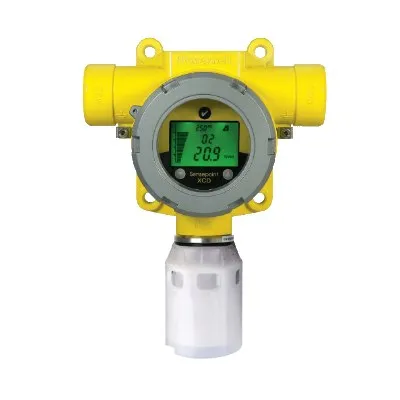
- Gas detection: fixed and portable detectors for flammable gases, H2S and oxygen deficiency.
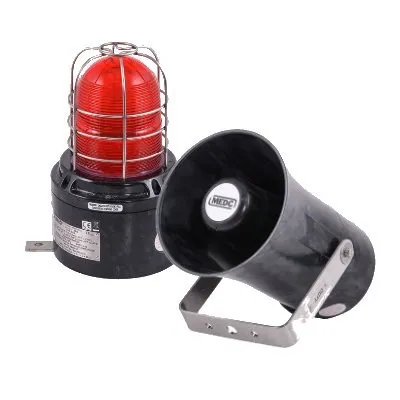
- Signalling: beacons, sounders and PA systems for gas and fire alarms.
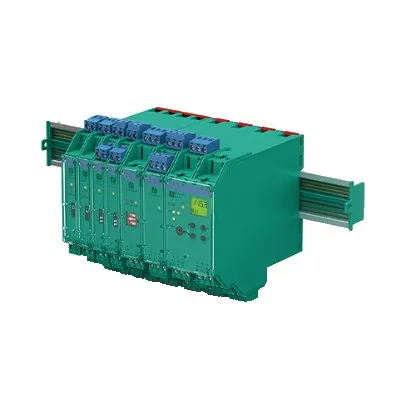
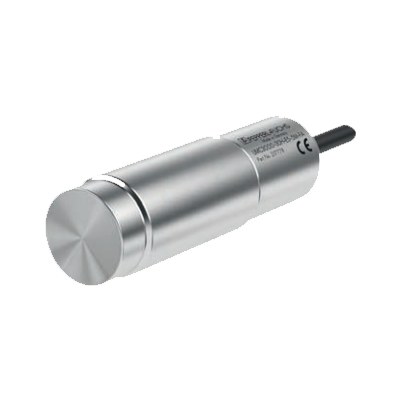
- Intrinsic safety: Pepperl+Fuchs isolated barriers and remote I/O for instruments in Zones 0 and 1.
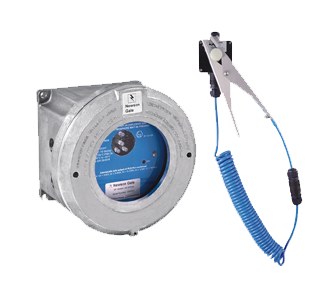
- Static grounding: Newson Gale systems for road tankers, drums and IBCs during loading and transfer.
How we help
We design and assemble custom Ex enclosures, junction boxes, control stations and panels in-house, with a 72-hour Express service on junction boxes and control stations that helps during shutdowns. As an authorised partner of Pepperl+Fuchs, we help you choose intrinsically safe interfaces.
For lighting, ask for a lighting calculation. Through Atex Italia we support you with consulting, training and inspections. Contact us with the zone, gas group and temperature class you need.



 Can't find the right solution?We'll engineer it for you →