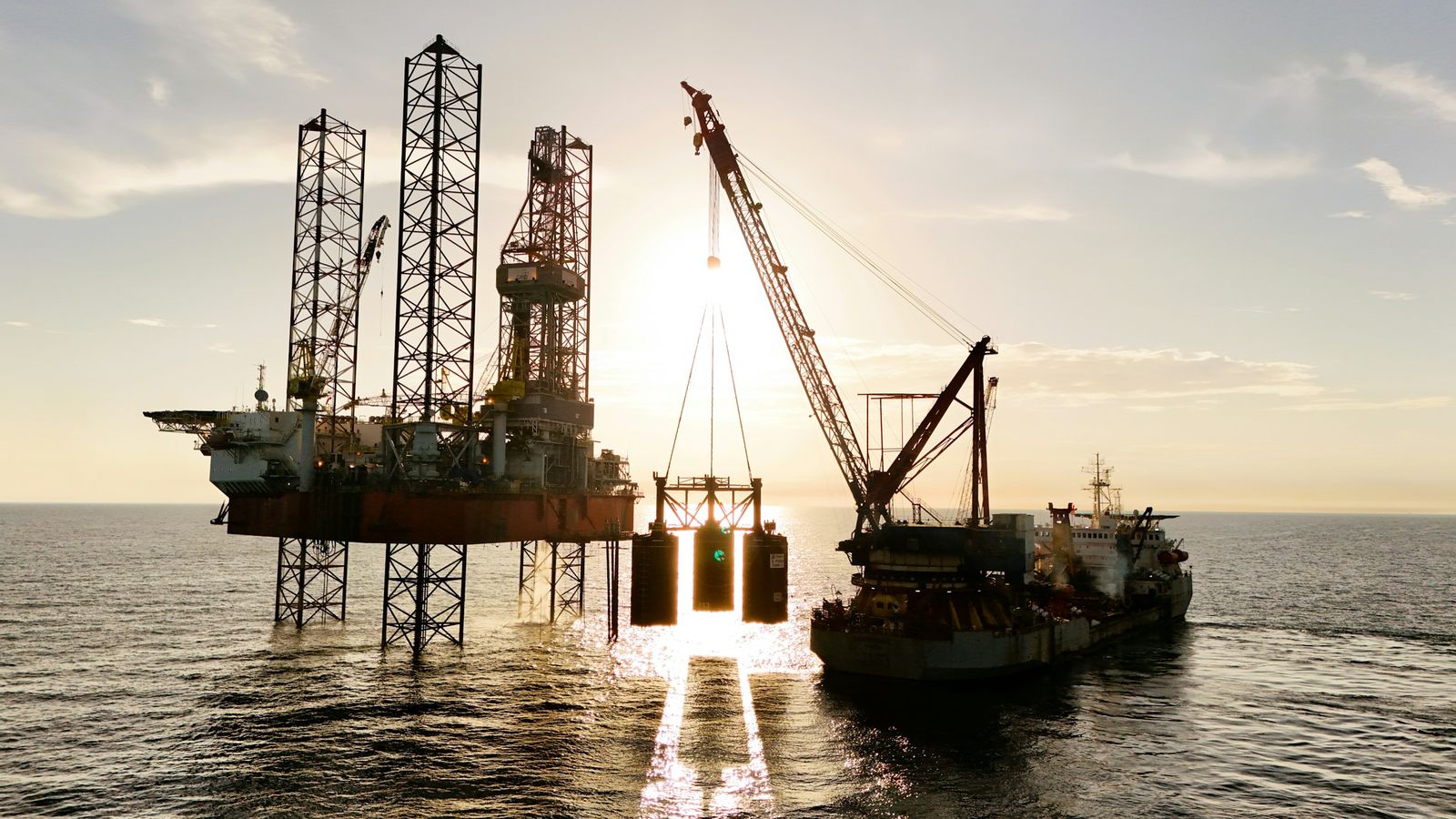
Where the hazardous areas are
On oil, chemical and gas tankers the hazardous areas are concentrated around cargo tanks, vents, pump rooms and manifolds; on platforms and FPSOs they cover process modules, wellheads and compressors; at terminals, loading arms and jetties. The inside of cargo tanks is generally Zone 0 and the area around vents and openings Zone 1; process areas are often Zone 2.
Methane, propane, crude oil and petrol vapours are group IIA, but hydrogen sulphide (H2S, IIB) or other chemicals may call for a higher group. The temperature class depends on the substances handled.
Typical requirements
- Corrosion: enclosures in AISI 316L stainless steel or GRP, with compatible fixings and cable glands to avoid galvanic corrosion.
- Water: IP66/IP67 against driving rain, spray and deck washing.
- Vibration: fixings and connections suited to machinery and the motion of the vessel.
- Scope of ATEX: Directive 2014/34/EU excludes seagoing vessels and mobile offshore units, which follow classification society rules and IEC standards, often with IECEx certification.
- Standards: alongside the specific marine and offshore standards, the principles of IEC 60079-14 and IEC 60079-17 generally apply.
Products for this sector
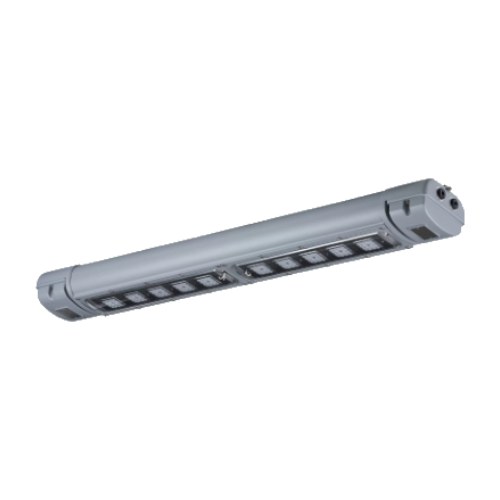
- Lighting: corrosion-resistant LED linear luminaires, floodlights and emergency fittings for decks and pump rooms.
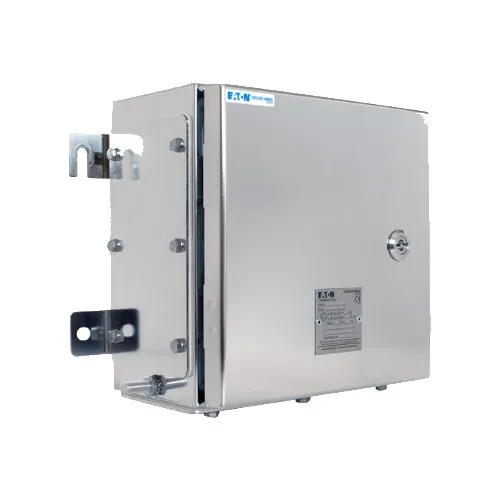
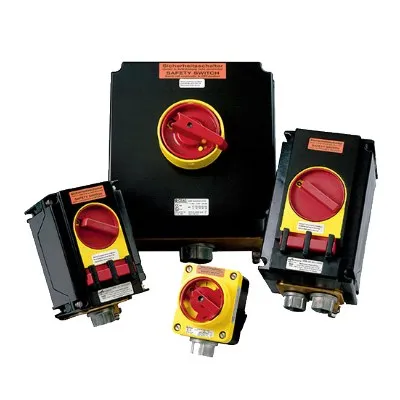
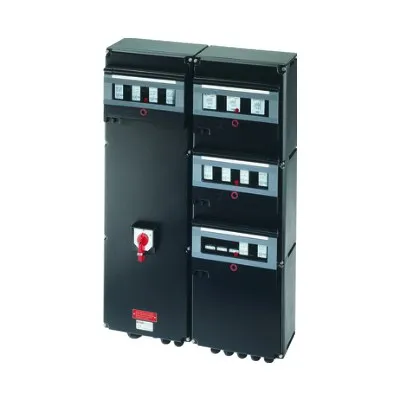
- Enclosures, junction boxes and control stations: Ex e junction boxes and control stations in GRP or stainless steel for equipment on deck.
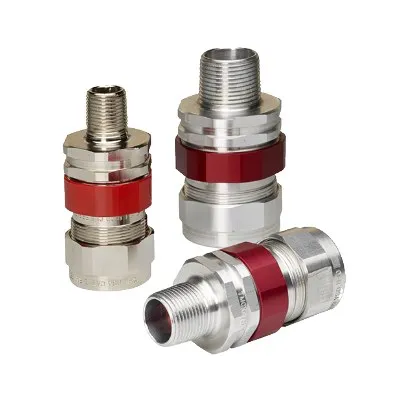
- Cabling: cable glands in nickel-plated brass or stainless steel, chosen to suit the cable and IP rating.
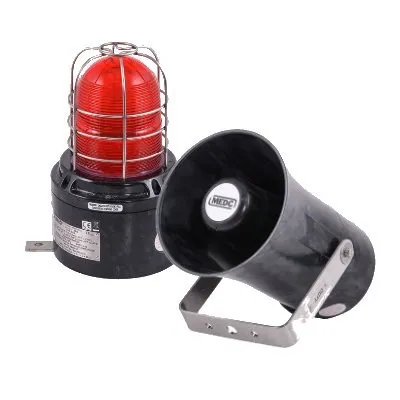
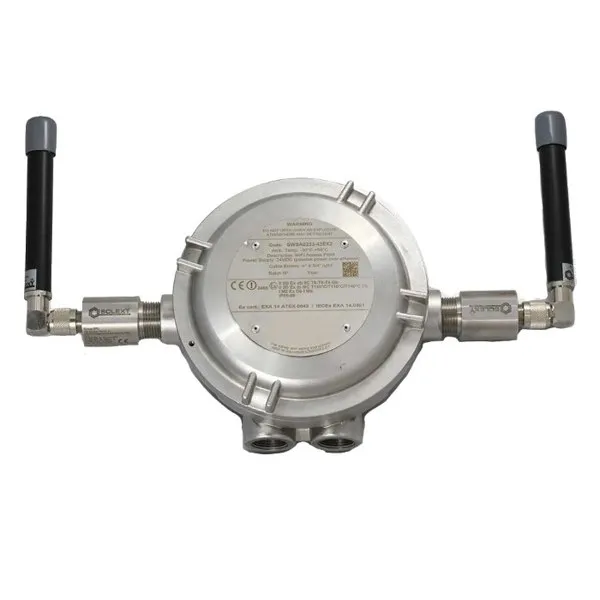
- Signalling: beacons, sounders and loudspeakers for alarms that can be heard in noisy areas.
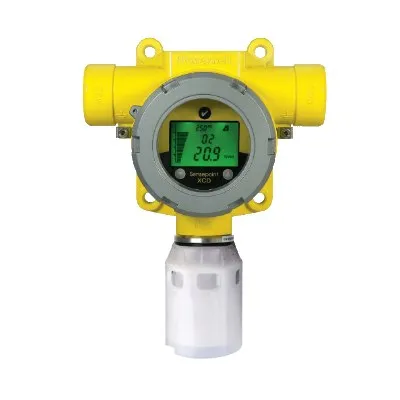
- Gas detection: fixed and portable detection of hydrocarbons, H2S and oxygen deficiency.
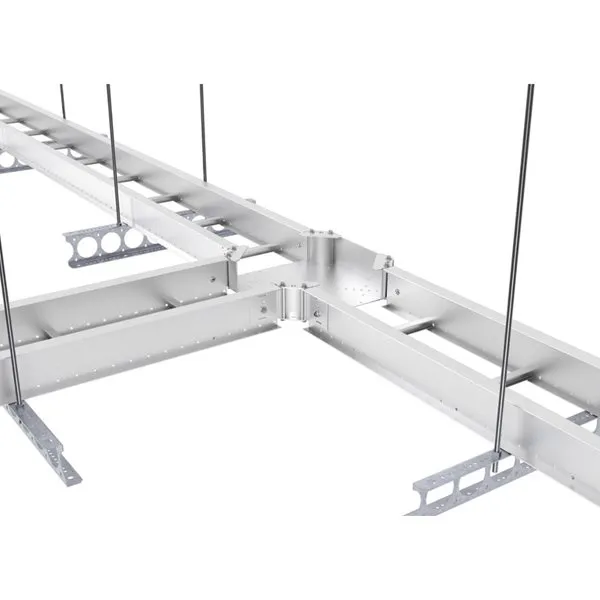
- Supports and cable trays: fibreglass or aluminium cable trays for corrosive environments.
How we help
We design and assemble custom enclosures and electrical panels in-house; junction boxes and control stations are also available with our 72-hour Express service. You can set up your enclosure with the online configurator. For decks, ask us for a lighting calculation.
Through Atex Italia we also offer consulting on area classification, training and inspections. We check the certification required on board case by case: contact us.



 Can't find the right solution?We'll engineer it for you →