Services
Tools
Industries

Mining

Mines and quarries, mineral extraction and processing

Surface mine plants and mineral processing need certified equipment for combustible dusts and fuels. Maffioletti supplies Ex products and custom builds.

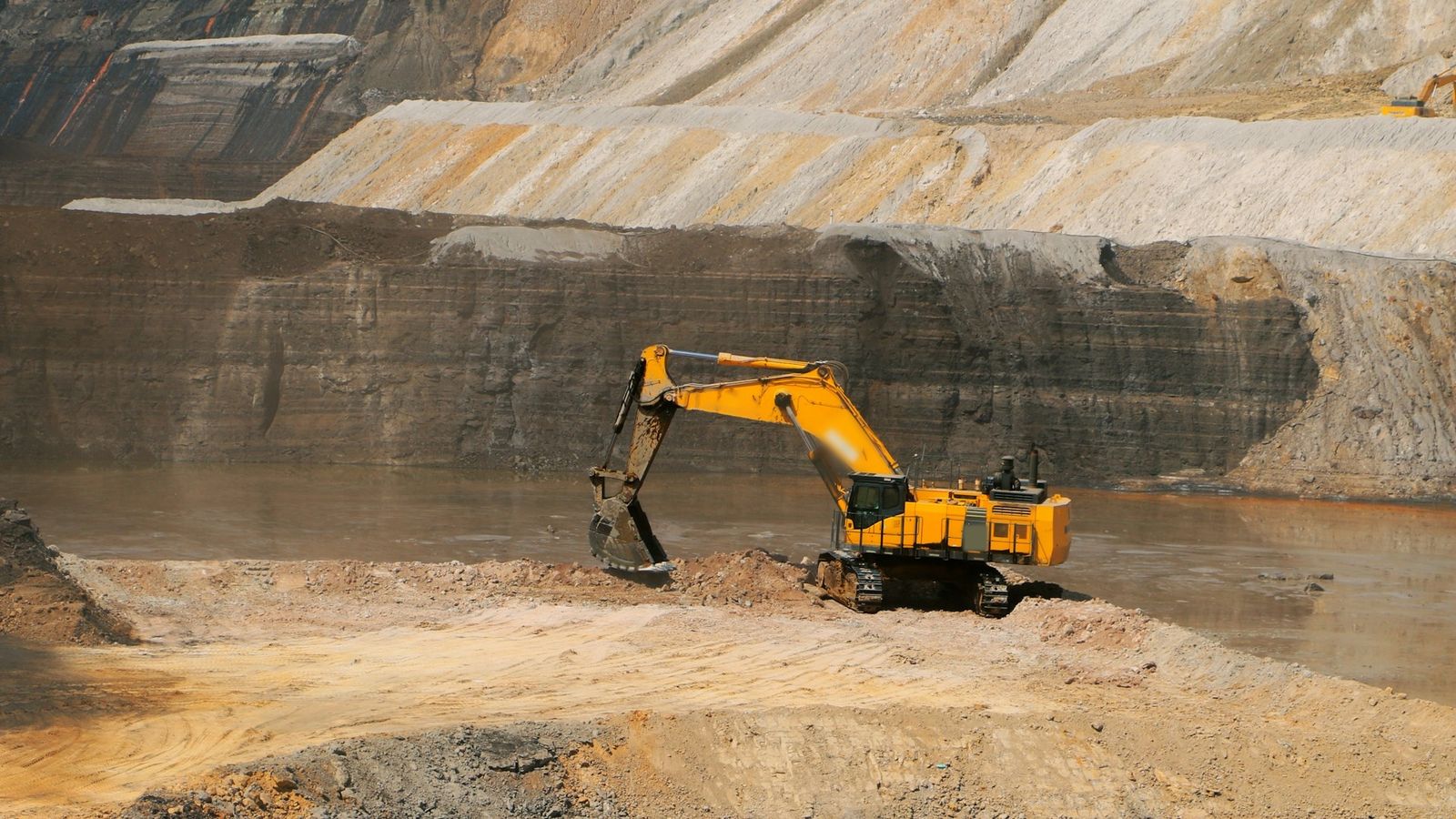
Excavator working at the bottom of an open-pit mine

Where the hazardous areas are

In surface plants and mineral processing, hazardous areas mainly come from combustible dust where materials such as coal, lignite or sulphur are handled: Zones 20, 21 and 22 in silos, hoppers, mills, filters and conveyor transfer points. The dust group (IIIB for non-conductive dusts, IIIC for conductive ones) is set by the area classification. Fuel stores and the gas supplies to dryers and kilns can create gas and vapour zones.
Underground mines, and the parts of their surface installations, endangered by firedamp or combustible dust require Group I equipment (categories M1 or M2) with different requirements: availability is checked on request.

Typical requirements

  • Dust: a suitable IP rating (IP6X where required) and a maximum surface temperature chosen with both the dust cloud and the dust layer in mind.
  • Vibration and shock: sturdy fixings and mechanical protection near crushers, screens and conveyors.
  • Outdoor conditions: rain, dust-suppression water sprays, temperature swings and UV.
  • Cleaning and inspection: regular removal of settled dust and inspection to IEC/EN 60079-17.
  • Standards: Directive 2014/34/EU, IEC/EN 60079-10-2 and IEC/EN 60079-14; for workplaces, the mineral-extracting industries have their own rules (Directive 92/104/EEC, in Italy Legislative Decree 624/1996).

Products for this sector

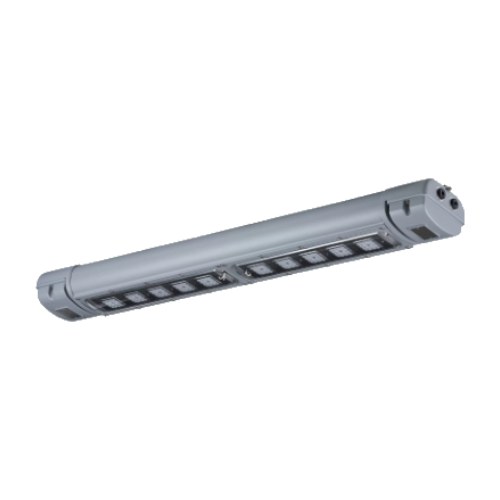
  • Lighting: floodlights and high bay luminaires with an IP rating suited to dust.
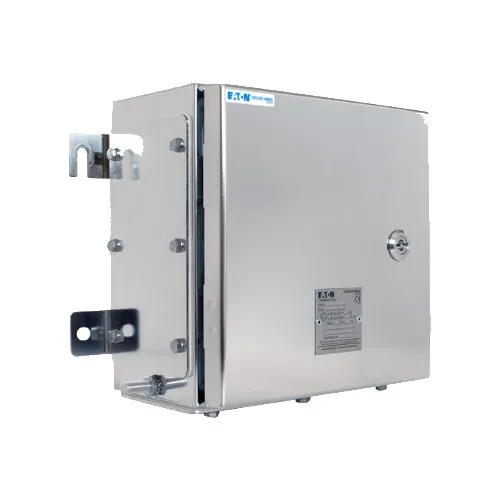
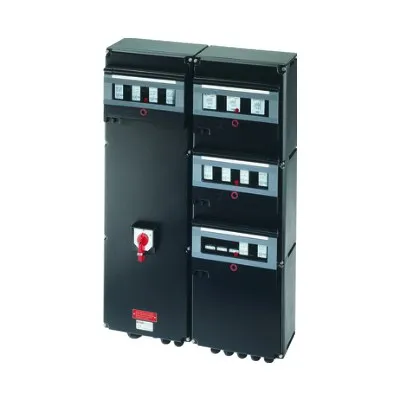
  • Enclosures, junction boxes and control stations: dust-protected junction boxes and control stations for motors and conveyors.
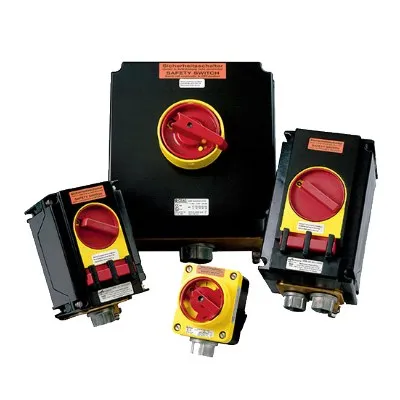
  • Switches: local isolators to make motors and conveyors safe during maintenance.
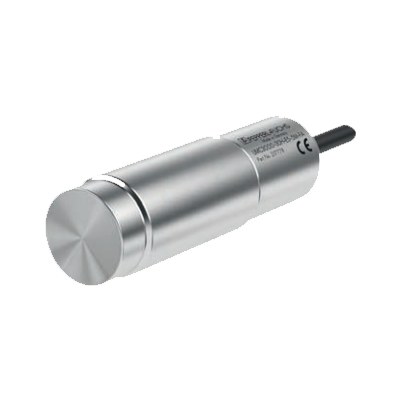
  • Sensors: Pepperl+Fuchs inductive sensors and encoders to monitor conveyor speed and position.
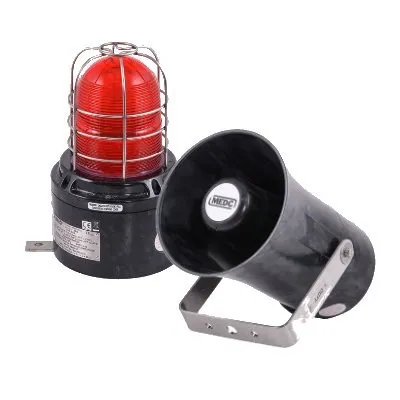
  • Signalling: beacons and sounders for conveyor start-up warnings.
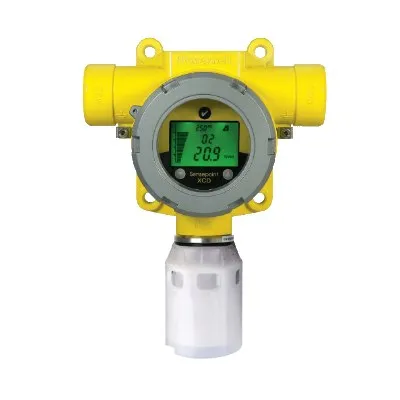
  • Gas detection: fixed and portable detectors for fuel areas and confined spaces.

How we help

We design and assemble custom enclosures and electrical panels in-house; junction boxes and control stations are also available with our 72-hour Express service. You can set up your enclosure with the online configurator. For sheds and yards, ask us for a lighting calculation or try the LED energy-saving calculator.

Through Atex Italia we also offer consulting on area classification, training and inspections. For Group I we check availability on request: contact us.

FAQ

Frequently asked questions

Are the surface installations of a mine ATEX areas?

They can be: where materials that produce combustible dust, such as coal or sulphur, are handled there may be Zones 20, 21 or 22, while fuel stores and gas supplies can create gas and vapour zones. At underground mines, the parts of the surface installations endangered by firedamp or combustible dust require Group I instead. The extent of each zone is defined by the area classification.
What is the difference between Group I and Group II?

Under the ATEX Directive, Group I covers the underground parts of mines and those parts of their surface installations endangered by firedamp or combustible dust, with categories M1 and M2. Group II covers other places with explosive atmospheres, such as open quarries and processing plants not linked to underground mines. The requirements differ, so Group II equipment must not be used where Group I is required.

Are all mineral dusts explosive?

No: many mineral dusts, such as limestone or silica, are not combustible, whereas coal, lignite and sulphur are. Whether a dust is combustible, and with which parameters, is established by laboratory testing and the area classification.