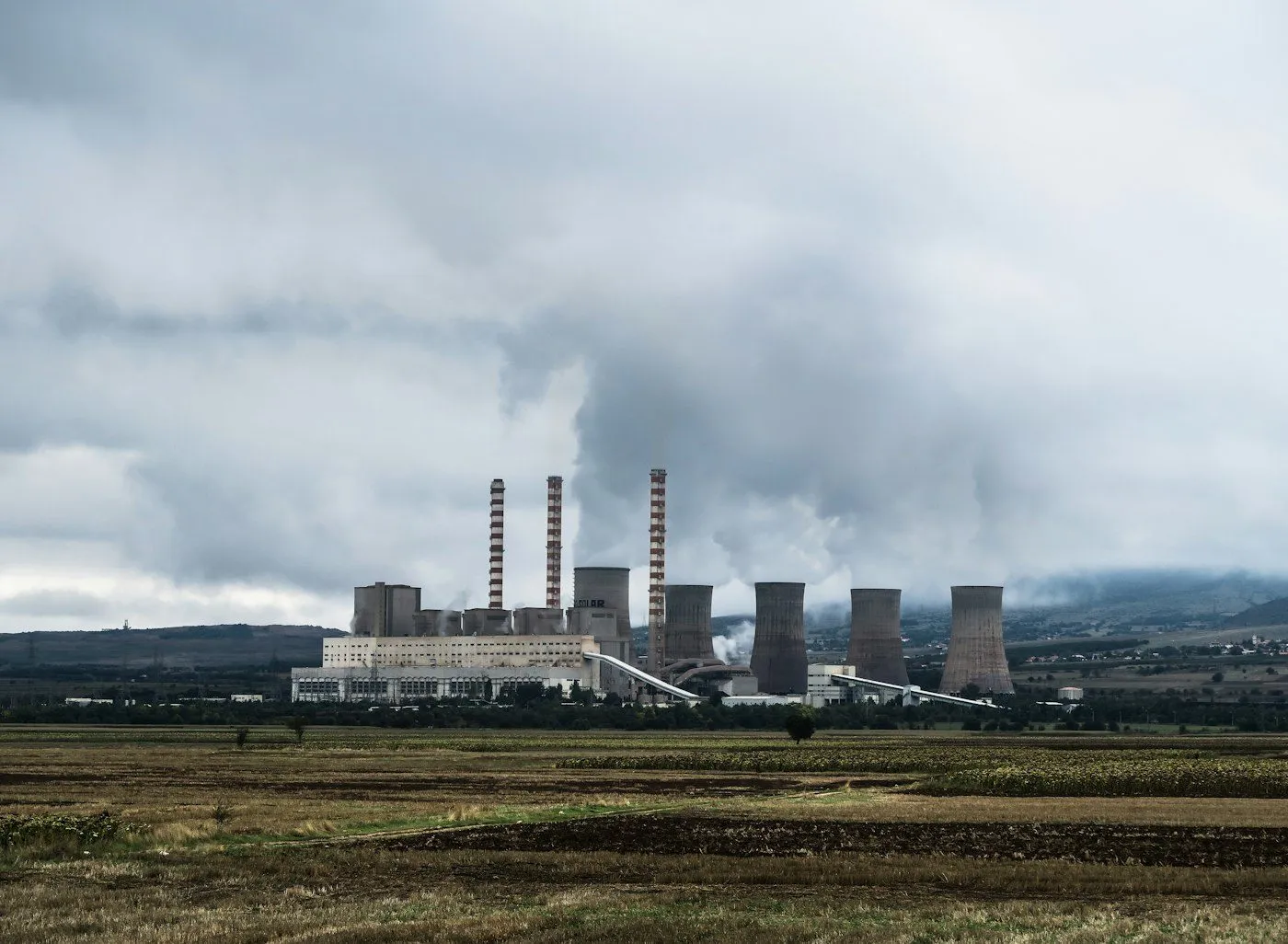
Where the hazardous areas are
In power plants, hazardous areas are concentrated around fuels and service gases: natural gas reduction stations, fuel gas lines and turbine enclosures, hydrogen systems for generator cooling, and battery rooms, where lead-acid batteries release hydrogen while charging. Coal and biomass plants add combustible dust along conveyors, mills and silos.
Methane is IIA T1, while hydrogen requires Group IIC. For gases, Zones 1 and 2 are typical, with an extent that depends on ventilation; for dusts, Zones 20, 21 and 22 apply and the group depends on the dust (wood dust is generally IIIB).
Typical requirements
- Hydrogen: hydrogen-cooled generators, battery rooms and electrolysers need equipment and glands suitable for Group IIC where the area is classified.
- Heat and vibration: near turbines and engines, check the marked ambient temperature range and the mounting.
- Ventilation: zone extent depends on it, so it must be maintained, checked over time and often backed by gas detection.
- Outdoor installation: gas pressure reduction stations need resistance to UV, rain and corrosion.
- Standards: Directives 2014/34/EU and 1999/92/EC; IEC/EN 60079-10-1 and IEC/EN 60079-10-2 for classification, IEC/EN 60079-14 and IEC/EN 60079-17 for installation and inspection.
Products for this sector
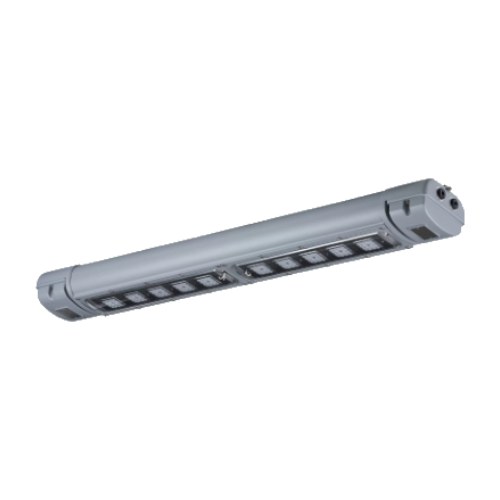
- Lighting: LED and emergency luminaires for turbine enclosures, gas reduction stations, battery rooms and outdoor areas.
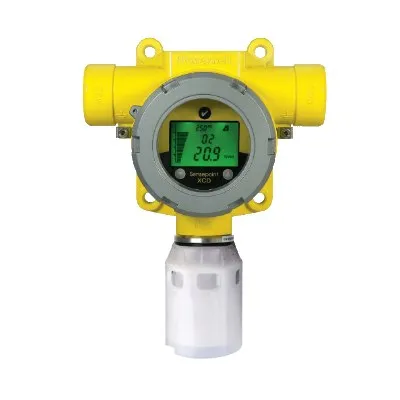
- Gas detection: fixed methane and hydrogen detectors, plus portable units for maintenance.
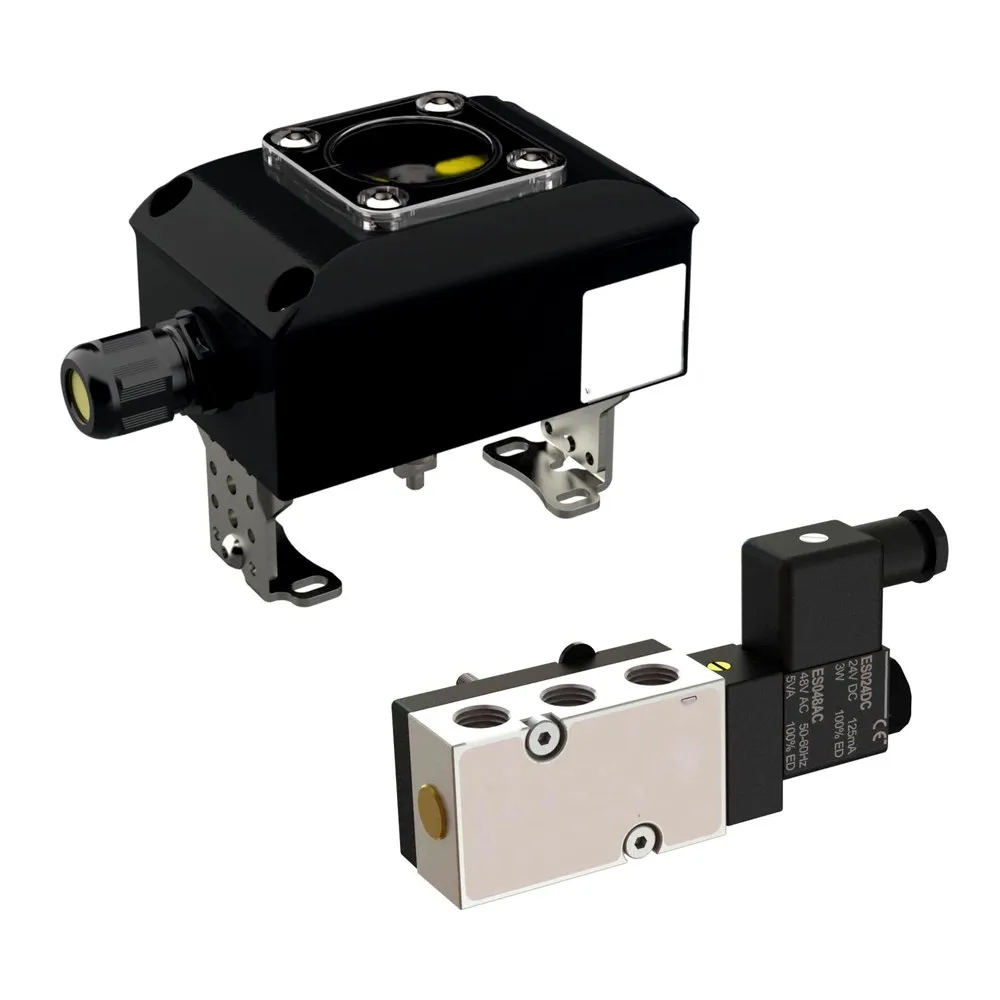
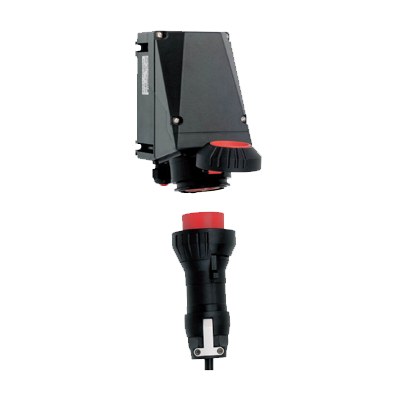
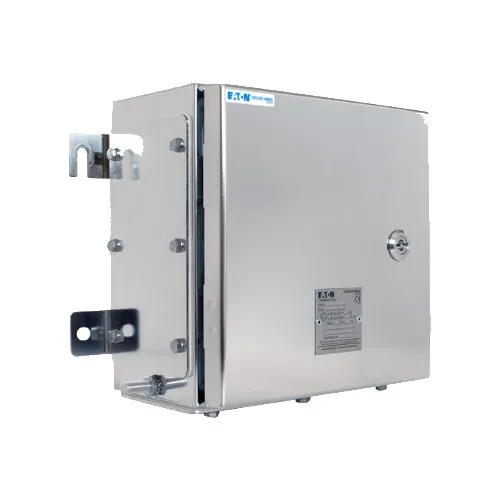
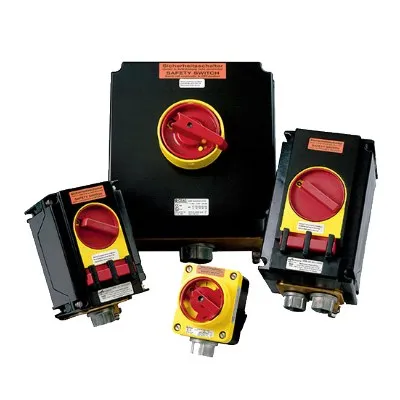
- Enclosures, junction boxes and control stations: junction boxes and control stations for motors, pumps and valves, suitable for Group IIC where hydrogen is present.
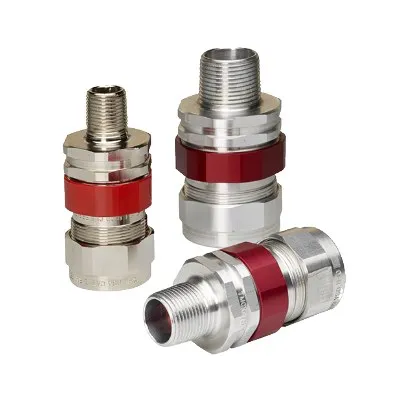
- Cabling: certified cable glands matched to the gas group and the enclosure's type of protection.
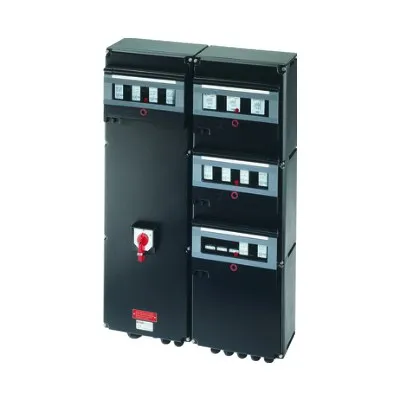
- Electrical panels: GRP or metal distribution panels and Ex d systems.
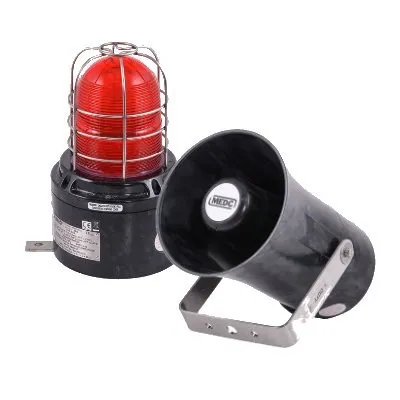
- Signalling: beacons and sounders for gas and fire alarms, chosen for turbine noise.
How we help
With over 40 years' experience in hazardous areas, we design and assemble custom Ex enclosures, junction boxes, control stations and panels in-house, with a 72-hour Express service on junction boxes and control stations that helps during planned outages.
We can prepare a lighting calculation, and the energy-saving calculator estimates the benefit of LED. Through Atex Italia we offer consulting, training and inspections. Contact us for an initial discussion.


 Can't find the right solution?We'll engineer it for you →