Where the hazardous areas are
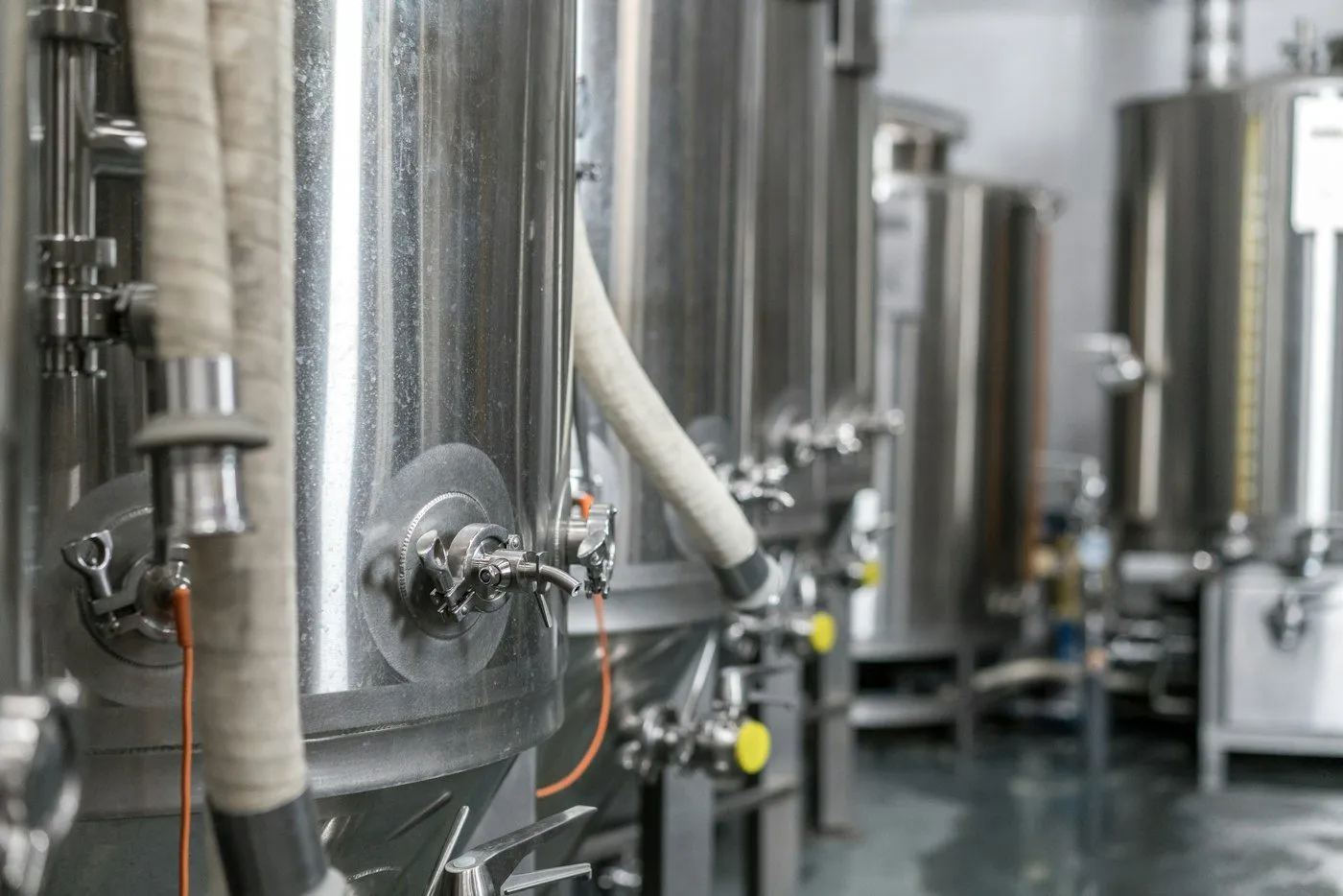
In food processing the main hazard is combustible dust: flour, sugar, starch, grain, milk powder and cocoa. Hazardous areas include silos, bucket elevators, mills, filters, pneumatic conveying and bagging. Zone 20 is common inside silos, filters and elevators, Zone 21 around filling and discharge points, and Zone 22 where a dust cloud is not expected in normal operation and, if it forms, lasts only briefly. These non-conductive dusts are Group IIIB.
Gas and vapour hazards can also arise: distilleries, ethanol stores and ammonia refrigeration plants, since ammonia is toxic but also flammable (IIA T1).
Typical requirements
- Temperature and dust layers: compare equipment temperature with the ignition temperature of both cloud and layer; thick layers need specific checks under IEC/EN 60079-14.
- Dust protection: IP5X or IP6X depending on zone and group, plus water-jet resistance where areas are washed down (for example IP66).
- Housekeeping: settled dust fuels secondary explosions, and smooth, easy-to-clean surfaces reduce deposits.
- Static electricity: pneumatic conveying and bagging generate charge, so pipework, containers and FIBCs must be selected and earthed appropriately.
- Standards: Directives 2014/34/EU and 1999/92/EC; IEC/EN 60079-10-2 for classification and IEC/EN 60079-14 for selection and installation.
Products for this sector
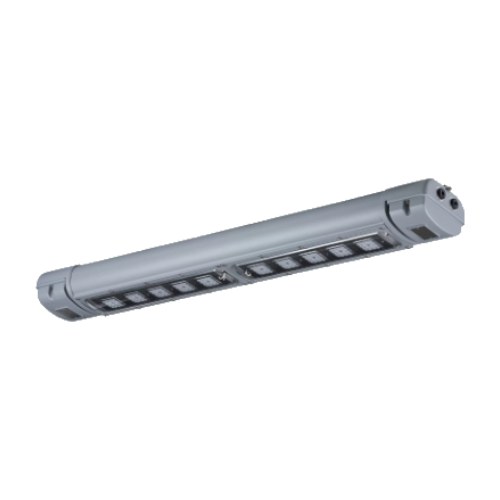
- Lighting: LED high bay and linear luminaires for grinding towers, warehouses and silo rooms.
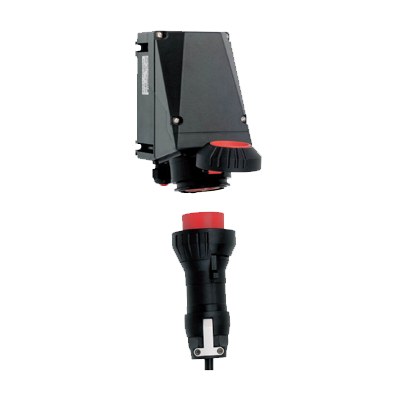
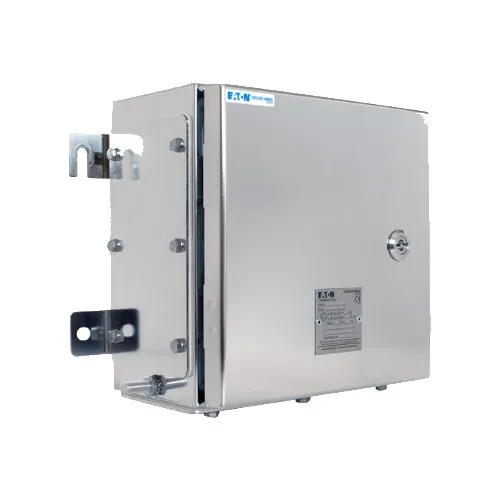
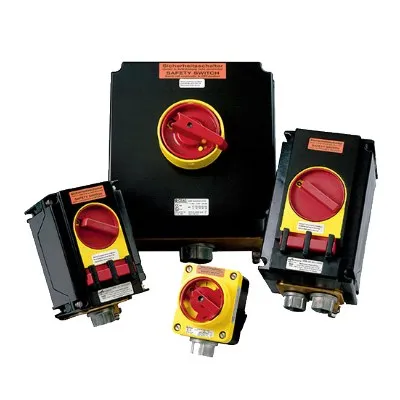
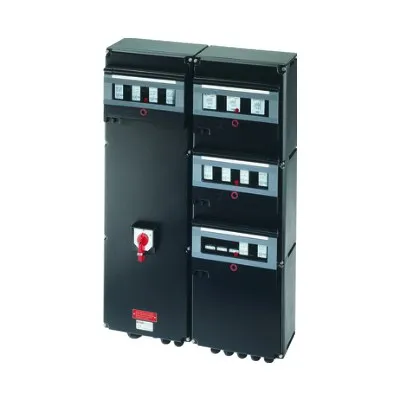
- Enclosures, junction boxes and control stations: junction boxes and control stations with dust protection suited to the zone.
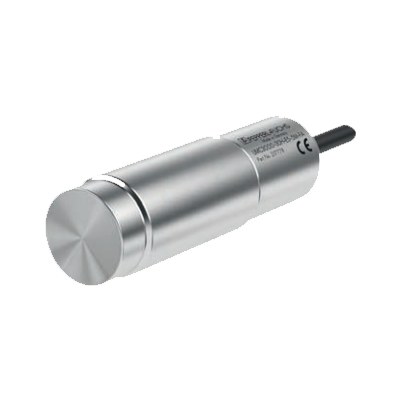
- Sensors: capacitive sensors for flour and granule levels, and inductive sensors and encoders to monitor elevator speed.
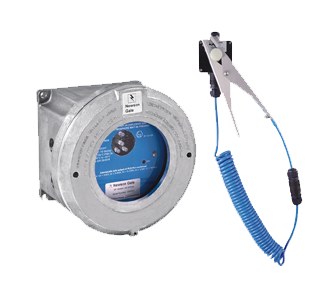
- Static grounding: Newson Gale systems for big bags, drums and bulk powder tankers.
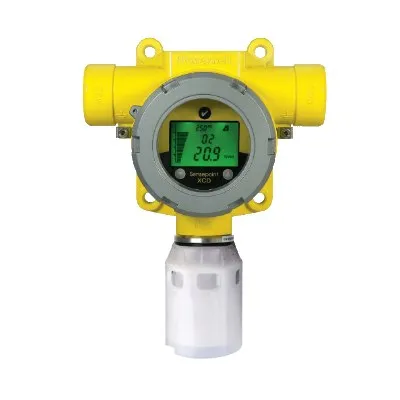
- Gas detection: detectors for ammonia in refrigeration plants and for alcohol vapours.
How we help
We design and assemble custom Ex enclosures, junction boxes and control stations in-house, and our 72-hour Express service on junction boxes and control stations helps when you need to restart quickly.
For silos and warehouses we prepare a lighting calculation, and the energy-saving calculator estimates what switching to LED is worth. Through Atex Italia we offer consulting, training and inspections. Contact us to talk it through with our technical team.


 Can't find the right solution?We'll engineer it for you →