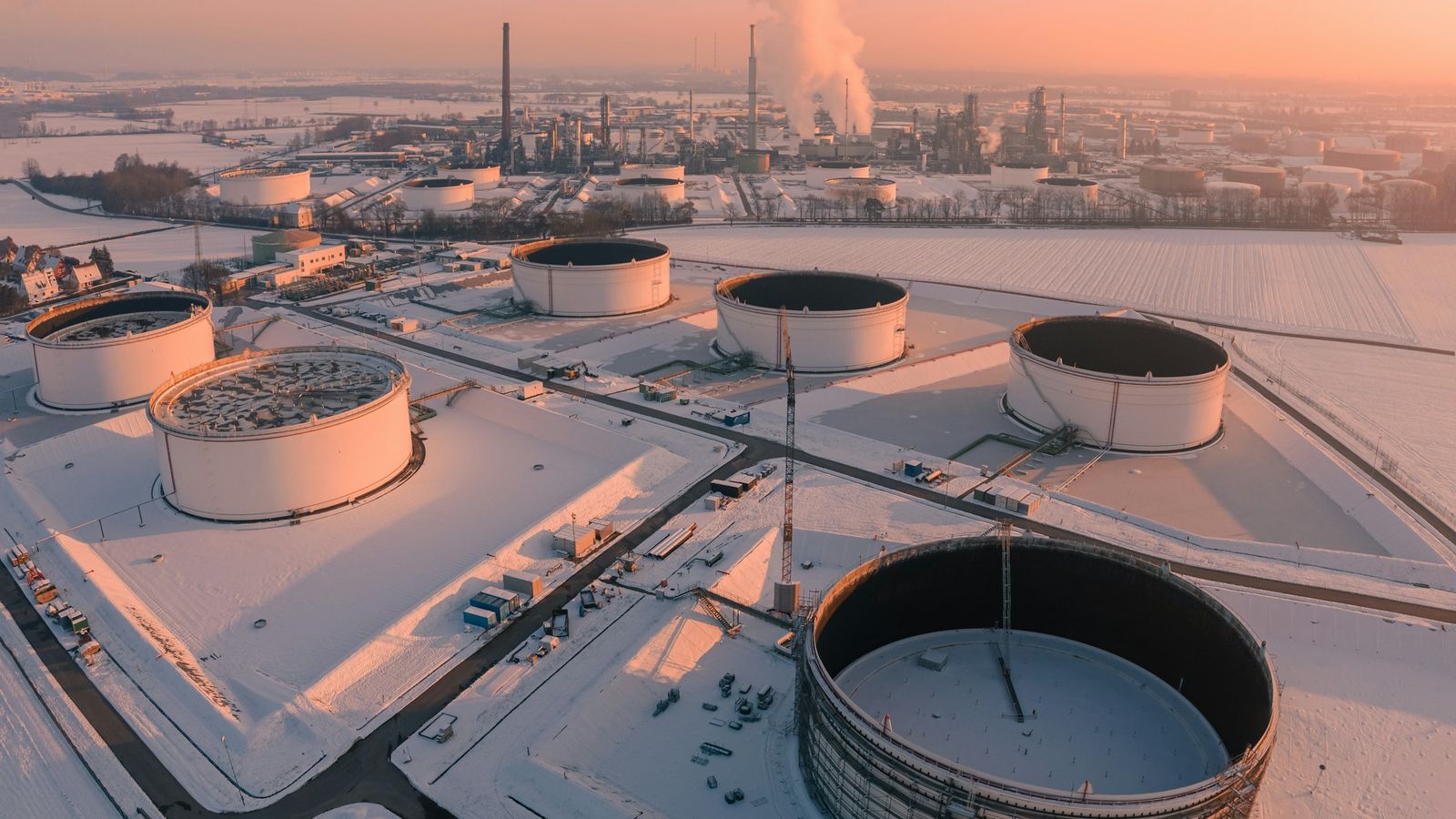
Where the hazardous areas are
In coastal and inland depots, hazardous areas cover tanks, bunds, pump rooms, manifolds, loading gantries and jetties. Inside petrol tanks, above the liquid, there is generally Zone 0; around vents, hatches and loading arms Zone 1 and, further out, Zone 2. At filling stations the zones cover dispensers, sumps and the fill and vent points of underground tanks.
Petrol vapours are group IIA, temperature class T3. Diesel, with its higher flash point, gives much smaller zones or none at normal temperatures, unless it is heated or sprayed as a mist. LPG, LNG and hydrogen call for specific assessments.
Typical requirements
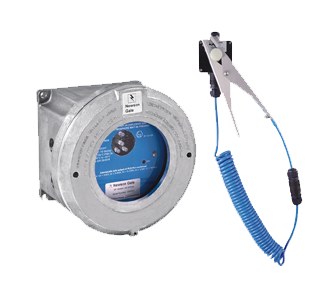
- Static electricity: the road tanker must be earthed before any transfer; systems with monitoring and interlocks only allow the transfer once the connection is confirmed.
- Outdoor conditions: rain, UV, temperature swings and, on the coast, salt spray call for high IP ratings and corrosion-resistant materials.
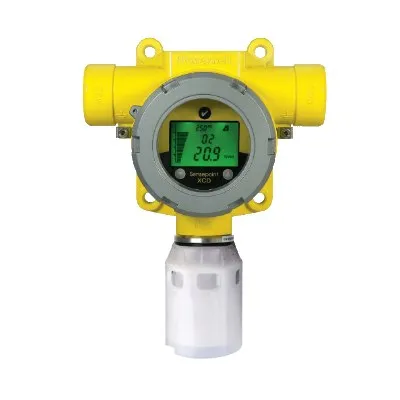
- Leaks: detectors near pumps, manifolds and bunds.
- Inspections: periodic inspection to IEC/EN 60079-17 on plants in continuous operation.
- Standards: Directives 2014/34/EU and 1999/92/EC, IEC/EN 60079-10-1 and IEC/EN 60079-14.
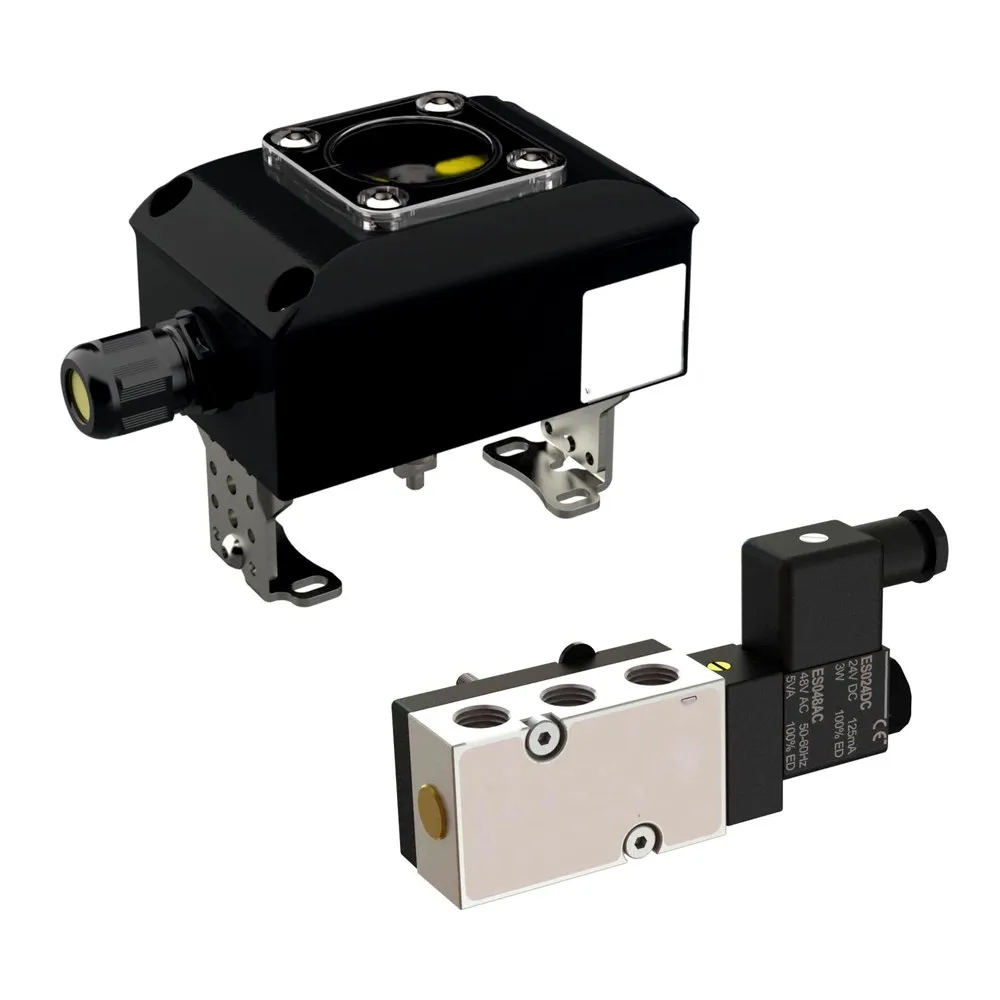
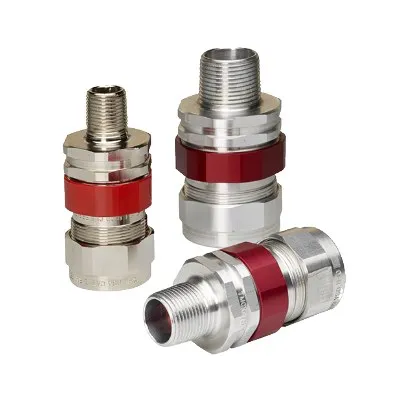
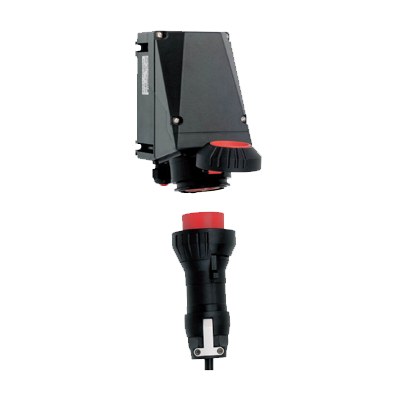
Products for this sector
How we help
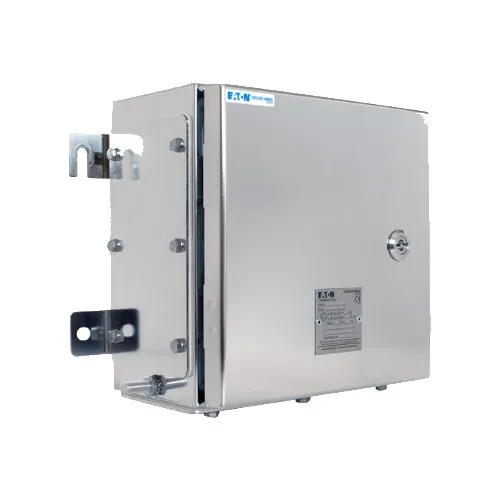
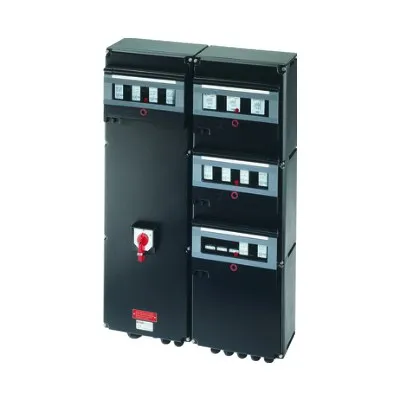
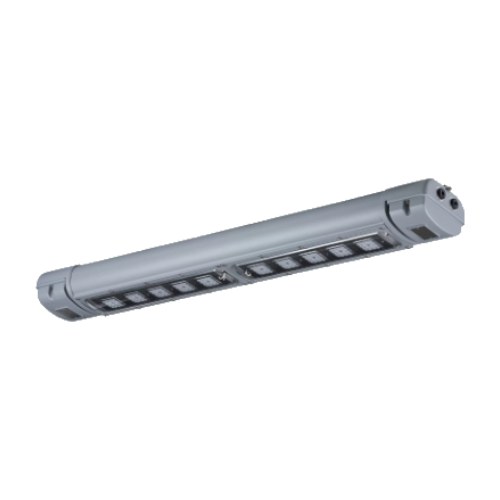
We design and assemble custom enclosures and electrical panels in-house; junction boxes and control stations are also available with our 72-hour Express service. You can set up your enclosure with the online configurator. For gantries and yards, ask us for a lighting calculation or try the LED energy-saving calculator.
Through Atex Italia we also offer consulting on area classification, training and inspections. Contact us for a proposal.




 Can't find the right solution?We'll engineer it for you →