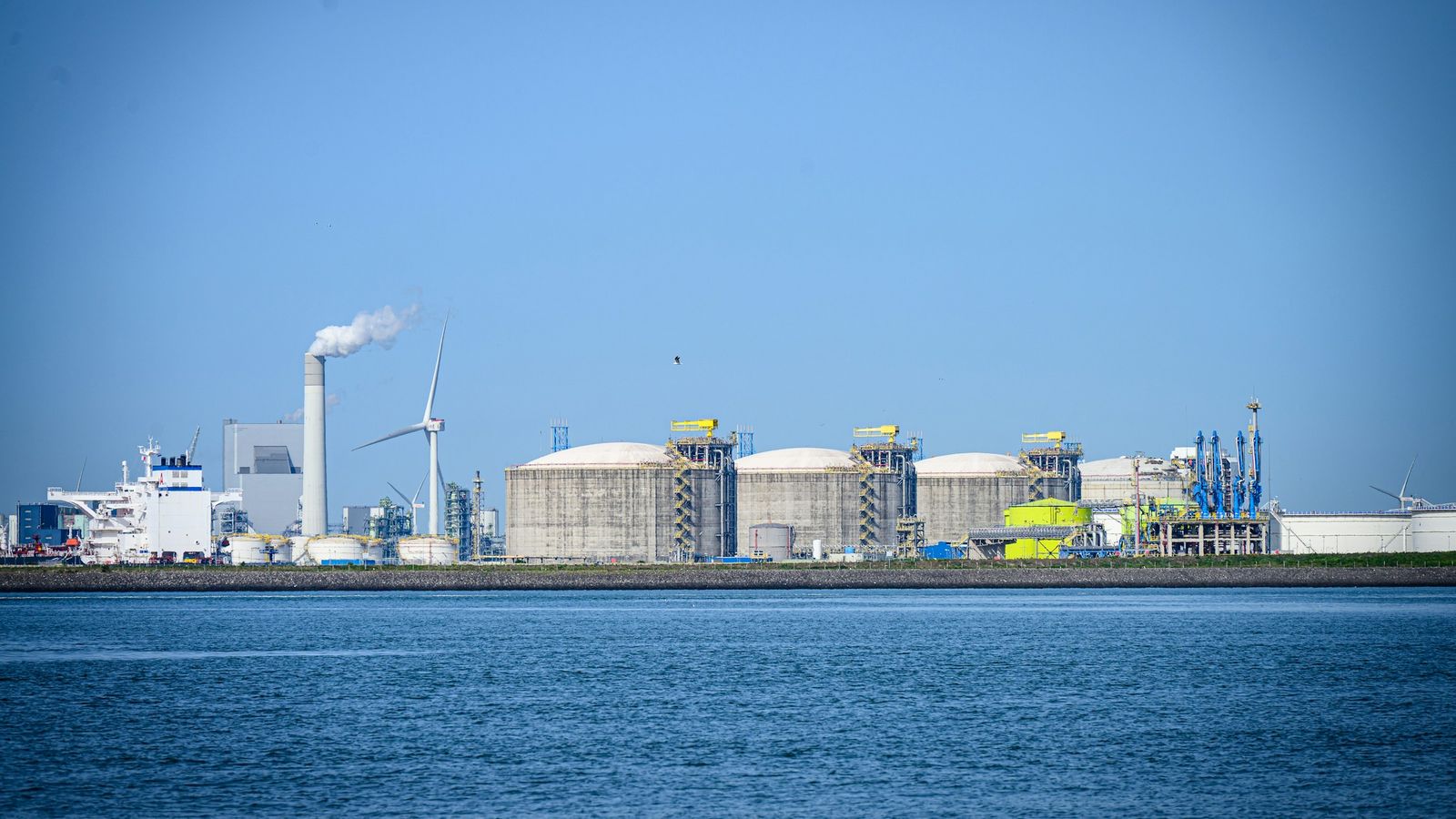
Where the hazardous areas are
In the hydrogen chain, hazardous areas are found around electrolysers, compressors, storage, loading points and refuelling stations. Hydrogen is gas group IIC, temperature class T1: it has a very wide flammable range and a very low minimum ignition energy, and because it is lighter than air it tends to collect under roofs in enclosed spaces. Zones 1 and 2 are typical.
Biogas and biomethane are mainly methane (IIA, T1), with zones around digesters, gas holders, upgrading units and compressors; any H2S is also toxic. Pellets and biomass produce combustible dust. In battery energy storage systems a fault can release flammable and toxic gases, so the risks are assessed case by case.
Typical requirements
- Group IIC: IIC-certified equipment; some flameproof enclosures are marked IIB + H2, suitable for hydrogen but not for acetylene.
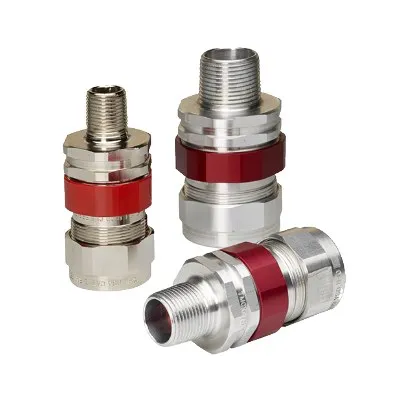
- Cable entries: cable glands certified for the gas group and the enclosure's type of protection, selected in line with IEC/EN 60079-14.
- Materials: components in contact with high-pressure hydrogen made of compatible materials, to limit embrittlement.
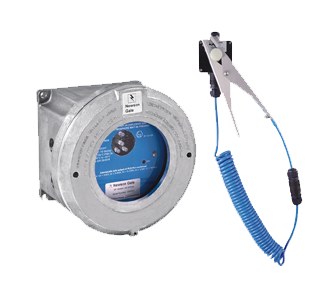
- Static electricity: earthing and bonding of pipework, vessels and vehicles.
- Standards: Directives 2014/34/EU and 1999/92/EC, IEC/EN 60079-10-1 for gases and IEC/EN 60079-10-2 for dusts.
Products for this sector
How we help
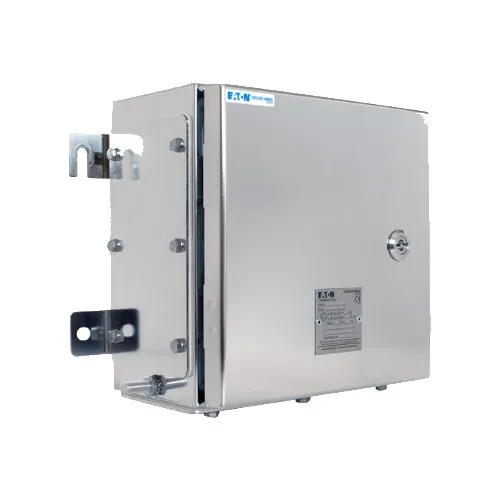
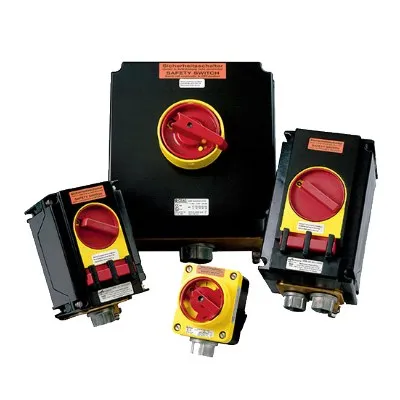
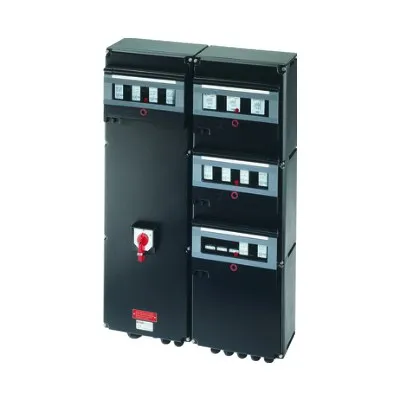
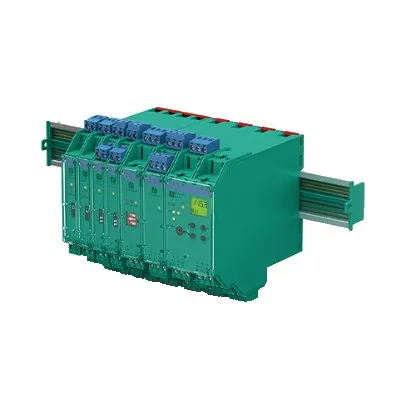
As an authorised Pepperl+Fuchs partner we supply intrinsic safety components. We design and assemble custom enclosures and electrical panels in-house; junction boxes and control stations are also available with our 72-hour Express service. You can set up your enclosure with the online configurator.
Through Atex Italia we also offer consulting on area classification, training and inspections. Contact us for a proposal.



 Can't find the right solution?We'll engineer it for you →