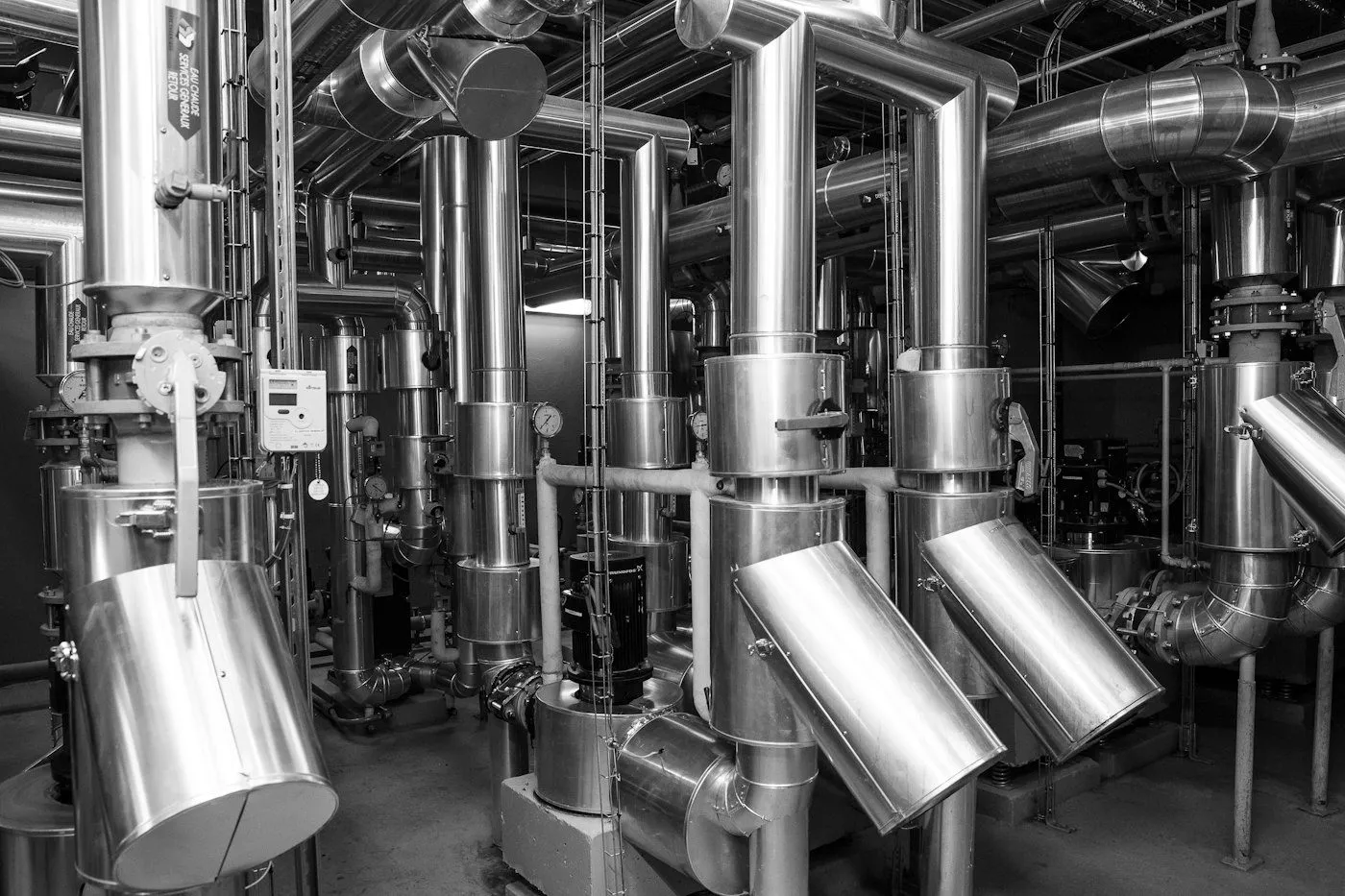
Where the hazardous areas are
In pharmaceutical production, hazardous areas are found in active ingredient synthesis, which uses solvents such as alcohols and acetone, in solvent stores and wherever powders are handled: milling, granulation, drying and blending. Vapours call for Zones 0, 1 and 2; for dusts, Zone 20 is typical inside mills, dryers and filters, Zone 21 around openings and charging points, and Zone 22 where dust escapes only in abnormal conditions.
Hybrid mixtures, such as solvent-wet powders during drying, are typical of the sector. Excipients such as lactose and starch are non-conductive Group IIIB dusts; for active ingredients, group and ignition temperatures depend on the substance.
Typical requirements
- Cleaning: GMP areas need smooth surfaces, resistance to detergents and disinfectants, and an IP rating that holds up to washdown.
- Dust layers: compare surface temperature with the ignition temperature of both cloud and layer (IEC/EN 60079-14).
- Static electricity: earth drums and containers during transfers, choose FIBCs to suit the zone and include personnel and floors.
- Inerting: with nitrogen, oxygen monitoring confirms that inerting is effective.
- Standards: Directives 2014/34/EU and 1999/92/EC; IEC/EN 60079-10-1 and IEC/EN 60079-10-2 for classification, IEC/EN 60079-14 and IEC/EN 60079-17 for installation and inspection.
Products for this sector
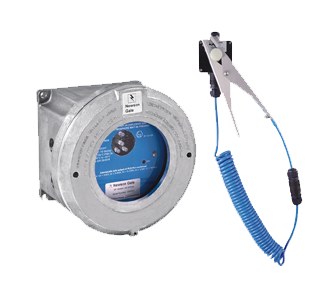
- Static grounding: Newson Gale systems for drums, IBCs and FIBCs, including systems that verify the connection.
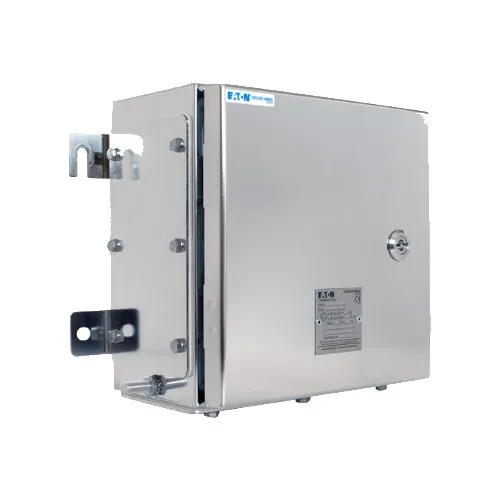
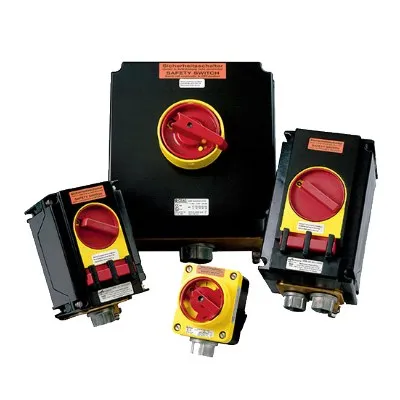
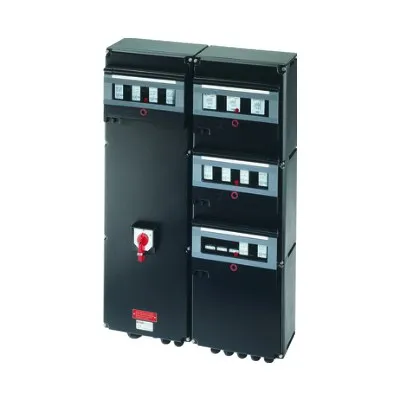
- Enclosures, junction boxes and control stations: junction boxes and control stations in materials suited to cleaning.
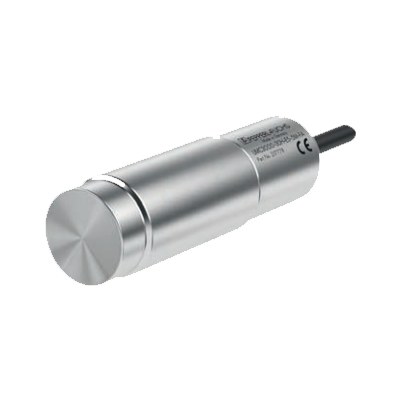
- Sensors: Pepperl+Fuchs capacitive sensors for powder level and inductive sensors for valves and lids.
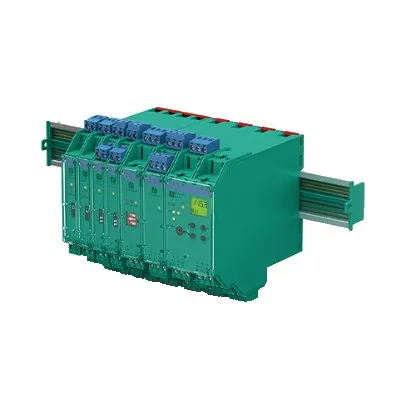
- Intrinsic safety: Pepperl+Fuchs isolated barriers and remote I/O for reactor and dryer signals.
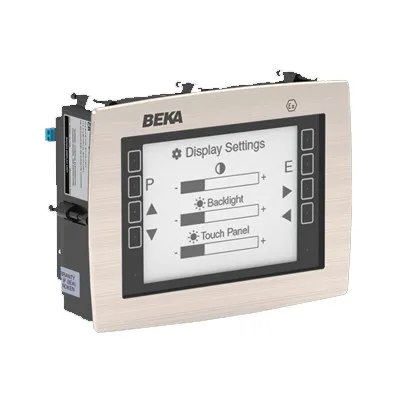
- Displays and HMI: VisuNet thin clients and operator panels to follow the process on the production floor.
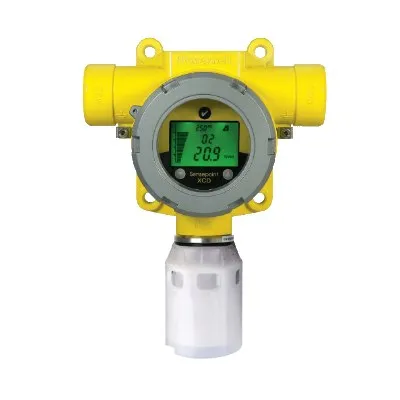
- Gas detection: detectors for solvent vapours and oxygen deficiency where nitrogen is used.
How we help
We design and assemble custom Ex enclosures, junction boxes and control stations in-house, and the online configurator lets you prepare your request in a few steps. As an authorised partner of Pepperl+Fuchs, we help you choose sensors, barriers and HMIs.
Atex Italia supports you with consulting on area classification, training and inspections. Contact us to define the requirements for your production area.



 Can't find the right solution?We'll engineer it for you →