Services
Tools
Industries

Distilleries and wineries

Distilleries, wineries and alcohol storage

Distilleries and alcohol stores need Ex equipment for ethanol vapours, while wineries need CO2 detection. Maffioletti supplies certified products for both.

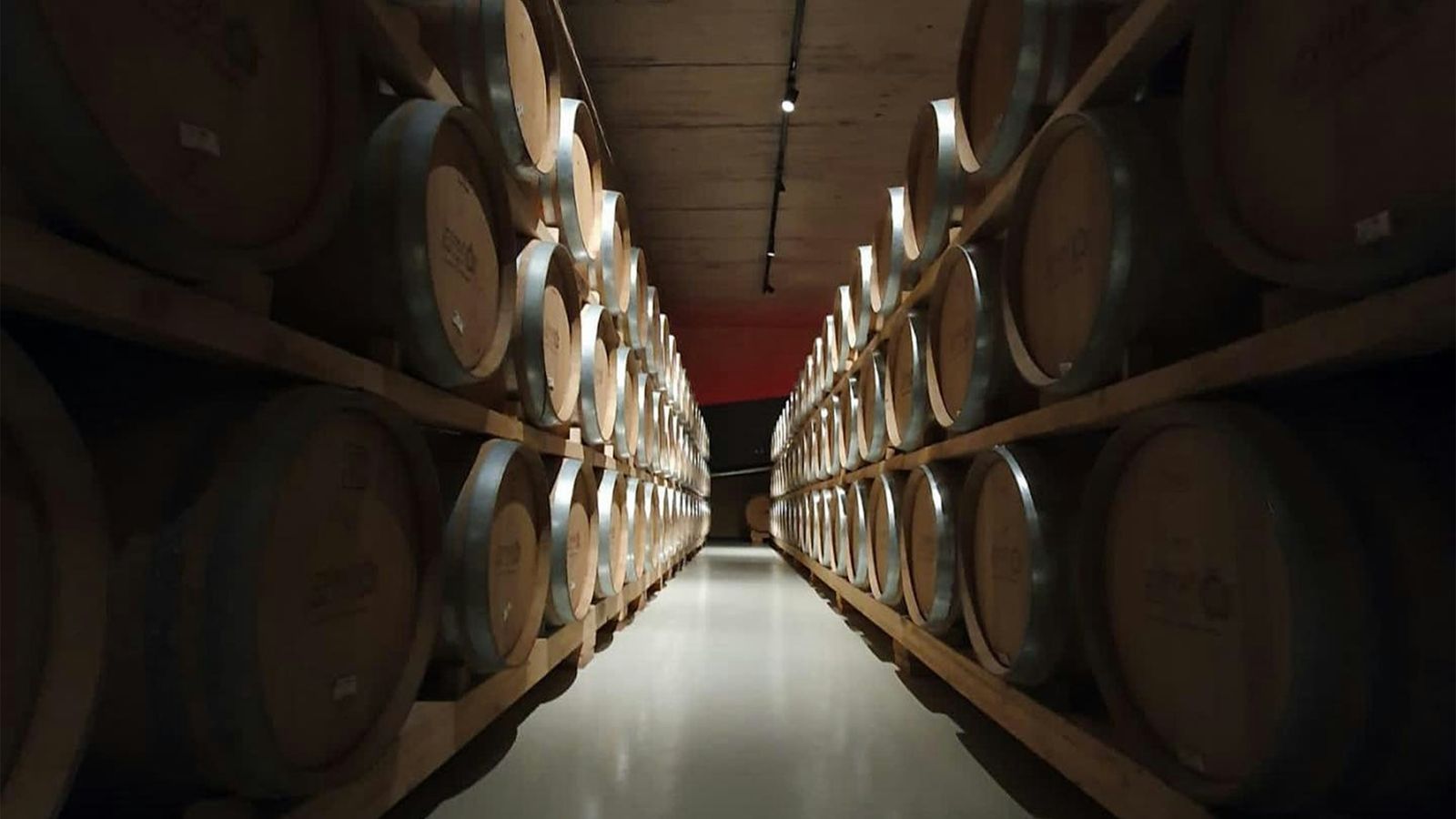
Rows of wooden barrels in a cellar

Where the hazardous areas are

In distilleries, ethanol vapours create hazardous areas around stills and columns, tanks, road tanker loading points and bottling lines. Inside tanks, above the liquid, there is generally Zone 0, around vents and hatches Zone 1 and further out Zone 2; cask maturation warehouses may also be classified. Milling grain and malt can create Zones 20, 21 and 22.

In wineries the main hazard is asphyxiation: fermentation releases CO2, which collects at low level in vats and below-ground rooms. It is not an explosion hazard and is managed with ventilation and gas detection.

Typical requirements

  • Humidity and washdown: damp areas that are washed down often, calling for high ingress protection such as IP66.
  • Cleaning agents: alkaline, acidic and oxidising products require compatible seals and materials.
  • Static electricity: earthing of road tankers, drums, IBCs and pipework during alcohol transfer.
  • CO2: fixed detectors in fermentation rooms and portable units for anyone entering vats and tanks.
  • Standards: Directives 2014/34/EU and 1999/92/EC, IEC/EN 60079-10-1 for vapours, IEC/EN 60079-10-2 for grain dust, IEC/EN 60079-14.

Products for this sector

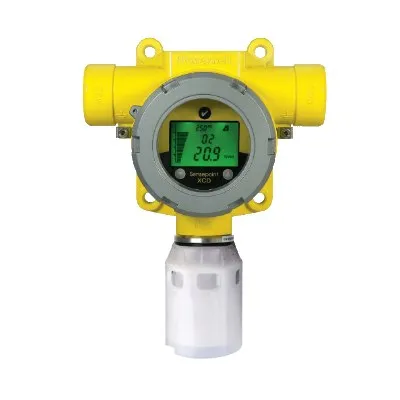
  • Gas detection: detection of flammable vapours in distillation and storage areas, and of CO2 or oxygen deficiency in fermentation rooms.
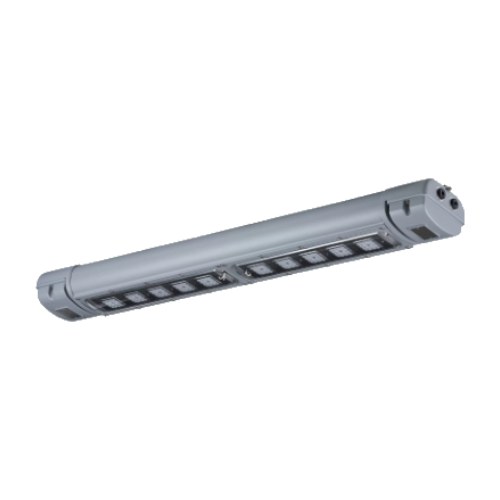
  • Lighting: sealed LED luminaires for distillation areas, alcohol stores and maturation warehouses.
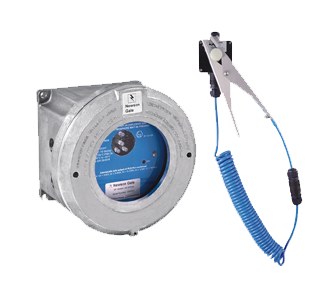
  • Static grounding: Newson Gale systems with connection monitoring for road tankers, drums and IBCs.
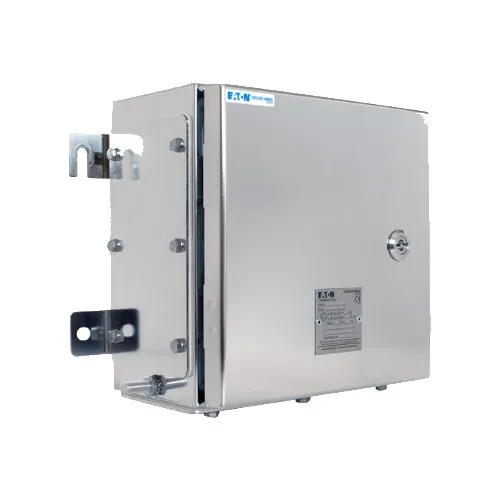
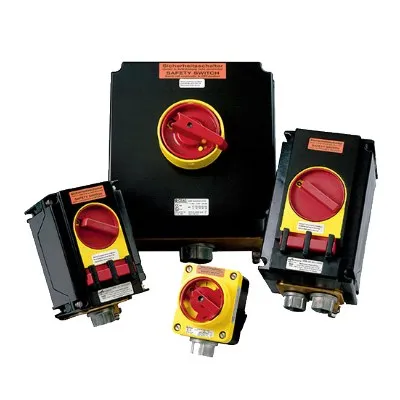
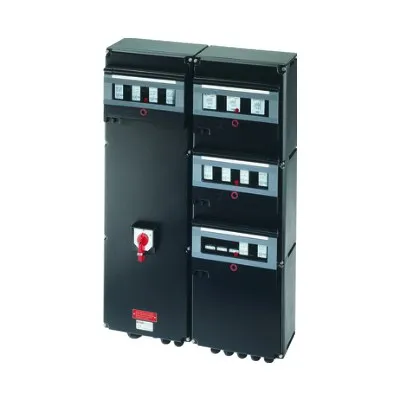
  • Enclosures, junction boxes and control stations: junction boxes and control stations for pumps, agitators and transfer lines.
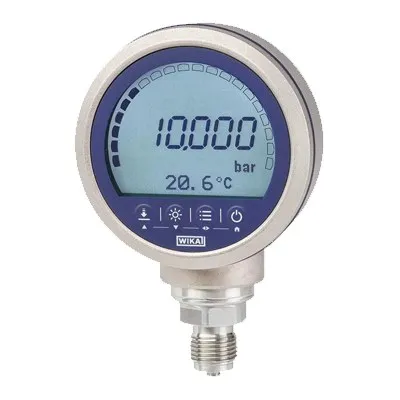
  • Measuring instruments: level, temperature and pressure measurement for tanks and columns.
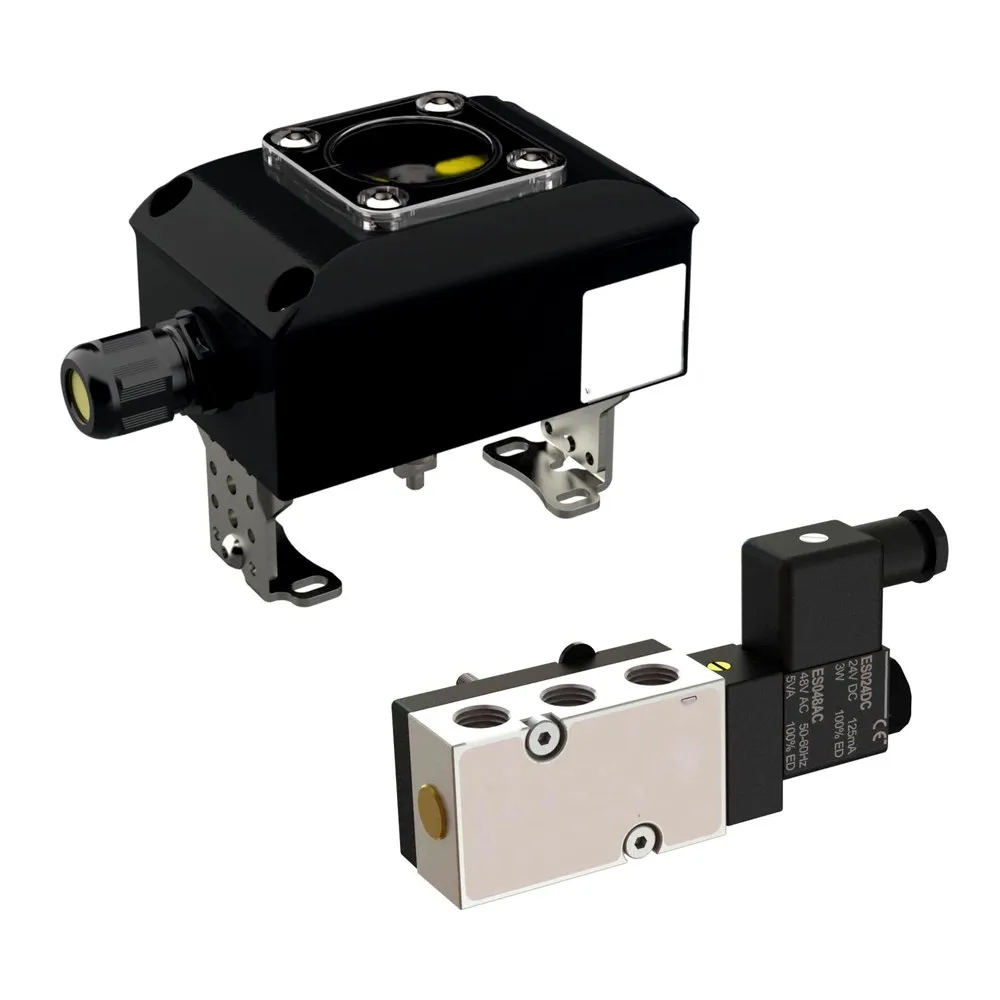
  • Valve automation: ATEX limit switch boxes and solenoid valves for transfer lines.

How we help

We design and assemble custom enclosures and electrical panels in-house; junction boxes and control stations are also available with our 72-hour Express service. You can set up your enclosure with the online configurator. For warehouses and production areas, ask us for a lighting calculation or try the LED energy-saving calculator.

Through Atex Italia we also offer consulting on area classification, training and inspections. Contact us for a proposal.

FAQ

Frequently asked questions

Is a winery an ATEX area?

Because of its low alcohol content, wine generally does not form explosive atmospheres at normal cellar temperatures, but an assessment is still needed, especially where alcohol or spirits are stored. The typical winery hazard is asphyxiation from fermentation CO2, which is managed with ventilation and gas detection.

Is fermentation CO2 an ATEX hazard?

No, CO2 is not flammable: the hazard is asphyxiation, because it displaces oxygen and collects at low level in vats, pits and below-ground rooms. It is controlled with ventilation, fixed CO2 or oxygen detectors and portable detectors for anyone entering confined spaces.

What ATEX zone surrounds an alcohol tank?

Generally the space above the liquid inside the tank is Zone 0 and the area around vents and openings is Zone 1, surrounded by Zone 2. The extent depends on alcohol strength, temperature, ventilation and filling method, and is defined by area classification to IEC/EN 60079-10-1.