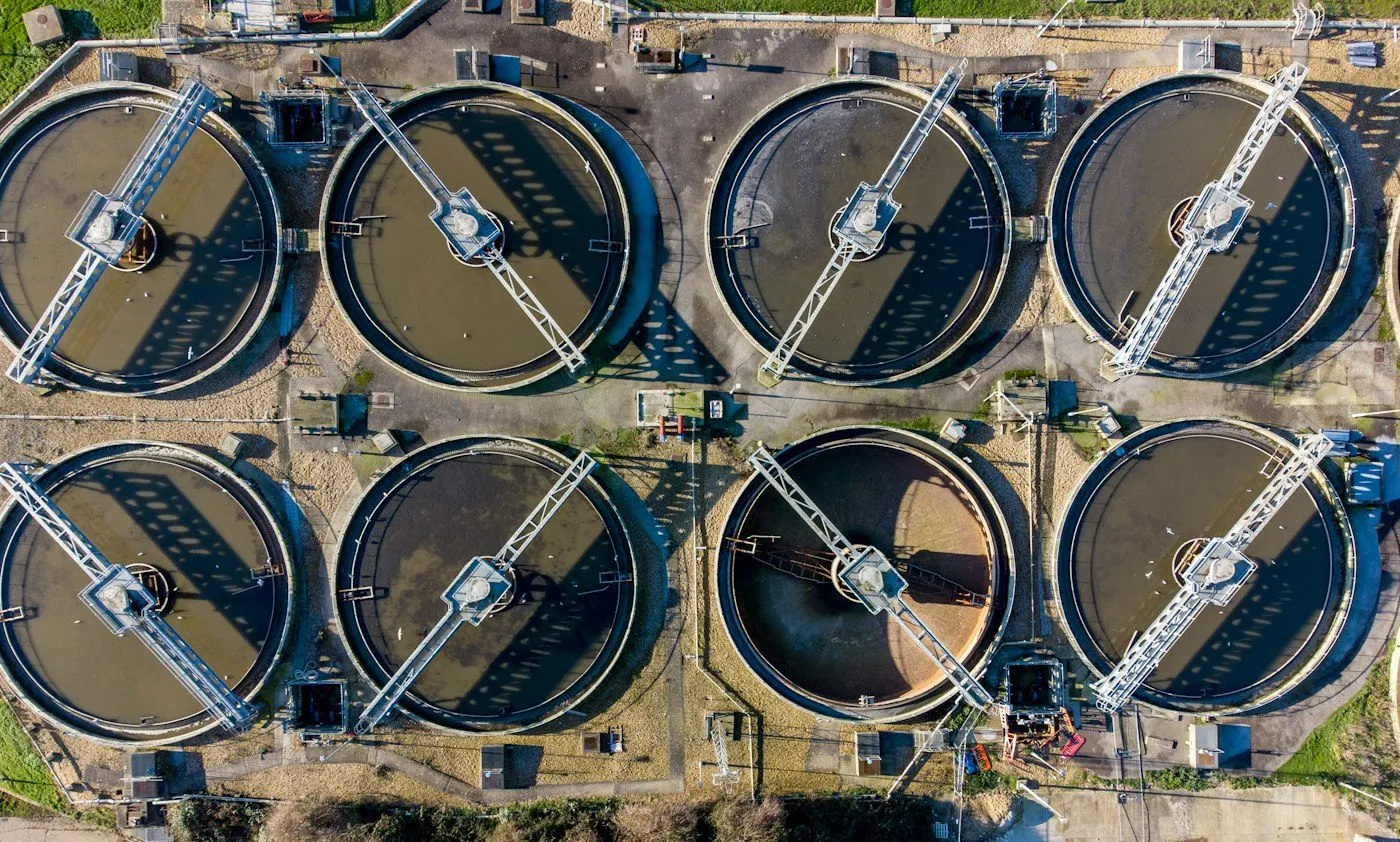
Where the hazardous areas are
In wastewater plants, hazardous areas come mainly from the biogas produced by anaerobic sludge digestion: digesters, gas holders, biogas pipework, desulphurisation, flares and CHP engine rooms. Biogas is mostly methane and carbon dioxide, with traces of hydrogen sulphide. The inside of digesters and gas holders is Zone 0 or 1 depending on the assessment; Zones 1 and 2 are typically found around relief valves, vents and condensate drains.
Sewage pumping stations and enclosed rooms may need assessment for sewer gas, and sludge drying can lead to Zones 20, 21 and 22. Methane is IIA T1; H2S is IIB T3, toxic and corrosive: group and temperature class must be based on the actual composition.
Typical requirements
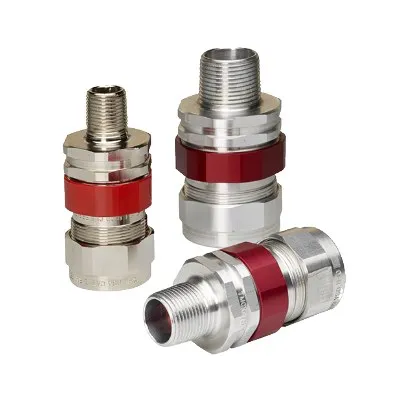
- H2S corrosion: with moisture it attacks copper, brass and unprotected steel, so stainless steel, GRP or coated materials are preferred for enclosures and glands.
- Outdoor installation: rain, frost and UV call for UV-stable materials and a rating such as IP66.
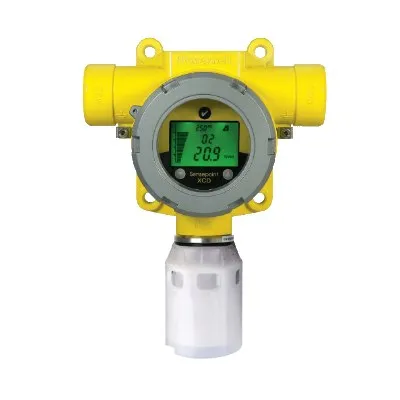
- Gas detection: methane, H2S and oxygen are monitored in enclosed rooms, chambers and confined spaces.
- Inspection: the aggressive environment degrades seals and glands, so inspection under IEC/EN 60079-17 matters.
- Standards: Directive 1999/92/EC, IEC/EN 60079-10-1 for classification, Directive 2014/34/EU and IEC/EN 60079-14 for selection and installation.
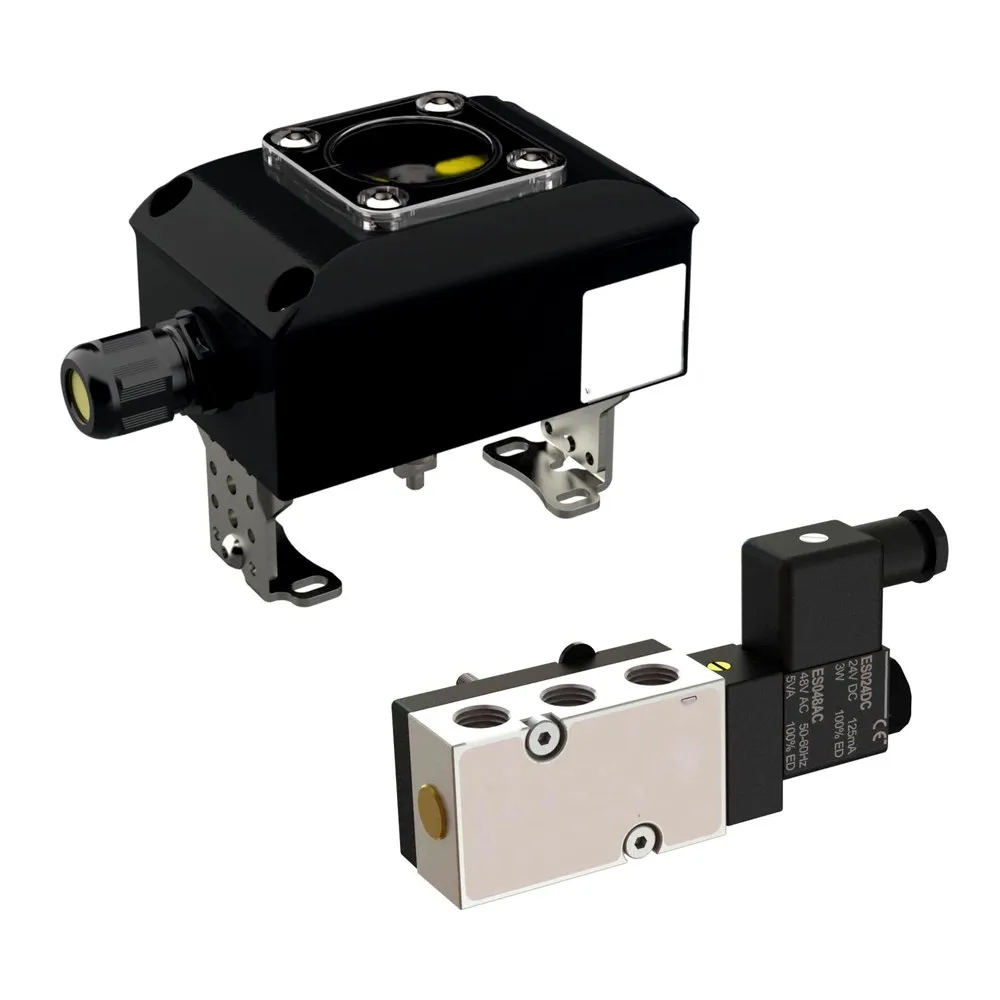
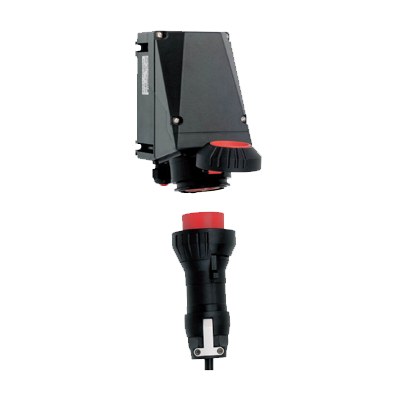
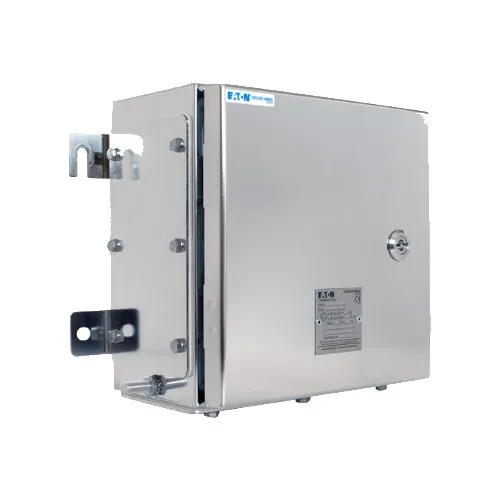
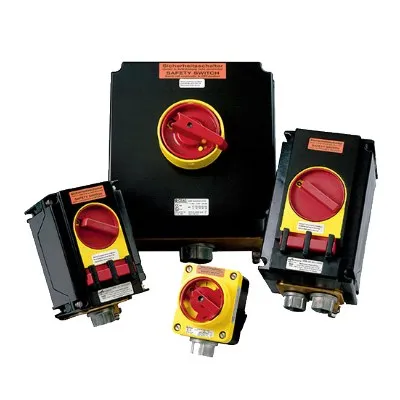
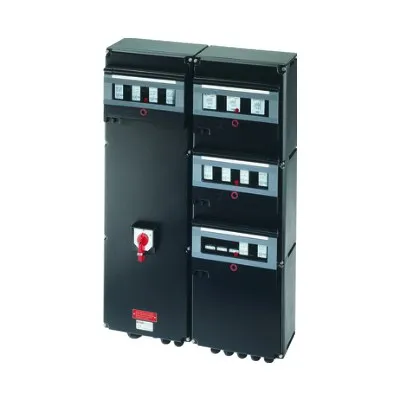
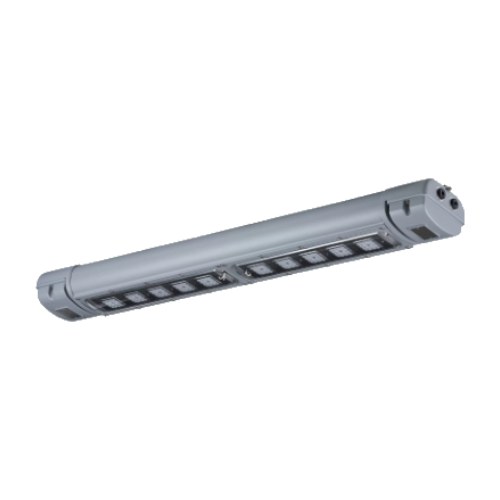
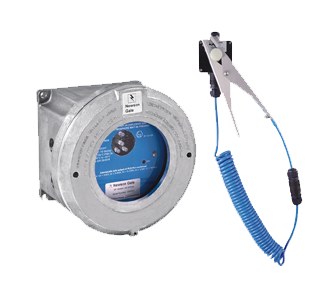
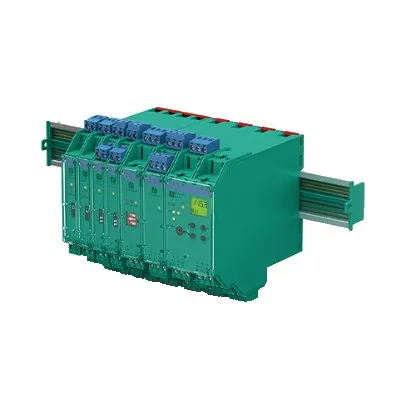
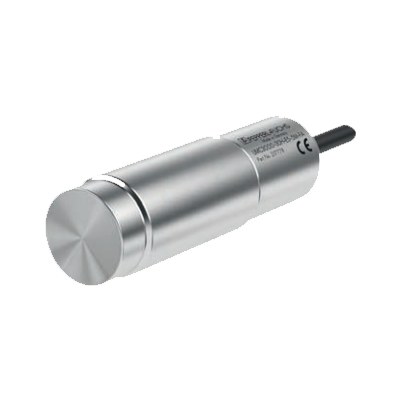
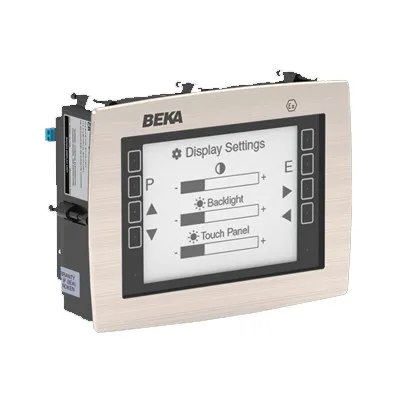
Products for this sector
How we help
We design and assemble custom Ex enclosures, junction boxes, control stations and panels in-house, with the 72-hour Express service on junction boxes and control stations; the online configurator lets you set up your request yourself.
If your plant runs around the clock, the energy-saving calculator estimates what switching to LED is worth. Through Atex Italia we offer consulting on area classification, training and inspections. Contact us to review your plant together.



 Can't find the right solution?We'll engineer it for you →