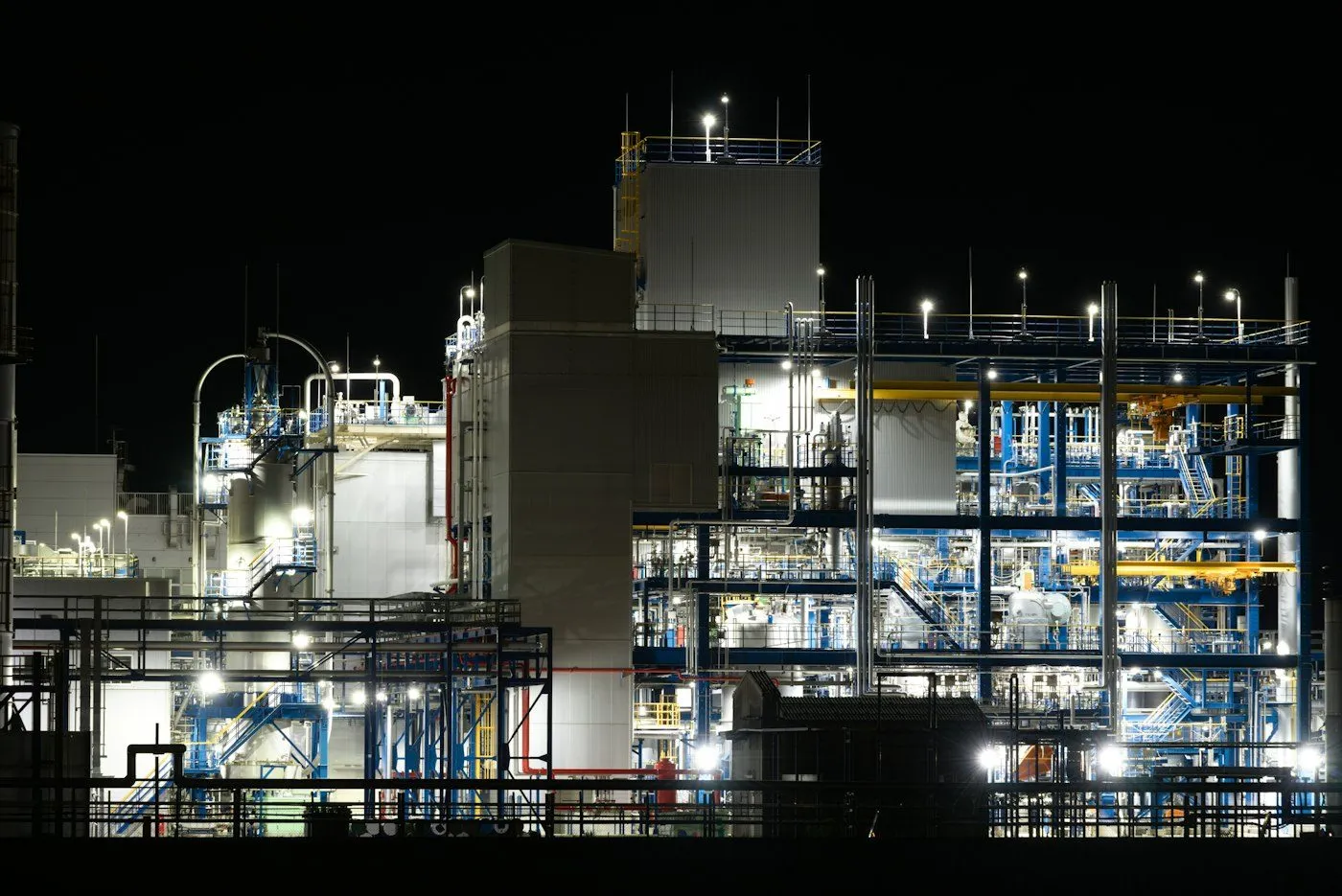
Where the hazardous areas are
In chemical and petrochemical plants, hazardous areas surround reactors, columns and pumps and extend to tank farms, loading bays, solvent stores and drum filling. The inside of vessels holding flammable liquids is often Zone 0; Zones 1 and 2 depend on the grade of release and ventilation. Where combustible powders such as polymers are handled, Zones 20, 21 and 22 apply.
Many hydrocarbons and solvents, such as propane, toluene and acetone, are IIA; ethylene is IIB; hydrogen, acetylene and carbon disulphide are IIC, and carbon disulphide, with its very low ignition temperature, also requires T6.
Typical requirements
- Chemical resistance: acid vapours, solvents and cleaning agents attack plastics, seals and metals, so check material compatibility.
- Static electricity: tankers, drums and IBCs must be earthed during transfers, as must Type C FIBCs.
- Temperature class: base it on the substance with the lowest ignition temperature.
- Instruments in Zone 0: Category 1 equipment is needed, for example Ex ia.
- Standards: Directives 2014/34/EU and 1999/92/EC; IEC/EN 60079-10-1 and IEC/EN 60079-10-2 for classification, IEC/EN 60079-14 and IEC/EN 60079-17 for installation and inspection.
Products for this sector
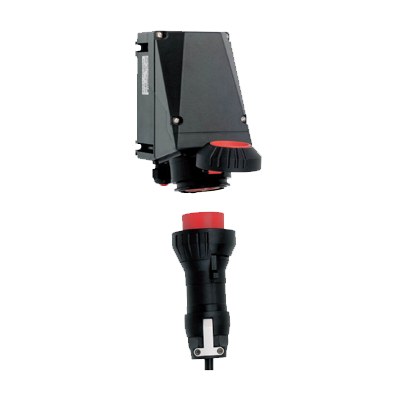
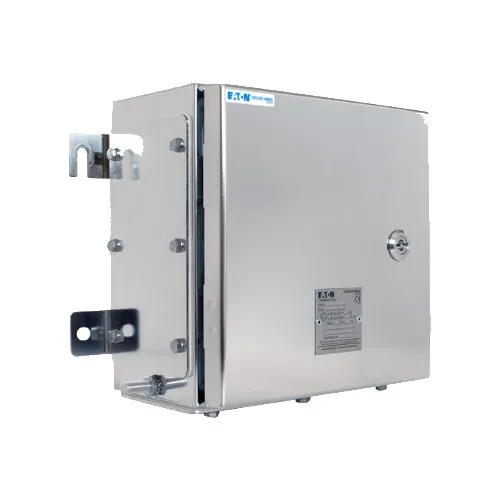
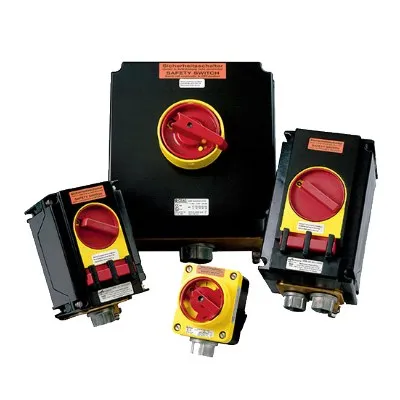
- Enclosures, junction boxes and control stations: Ex e junction boxes and Ex d flameproof enclosures; for analysers and non-certified equipment, Ex p pressurisation systems.
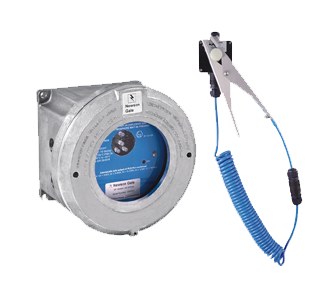
- Static grounding: Newson Gale systems for road tankers, drums, IBCs and FIBCs, including systems that verify the connection.
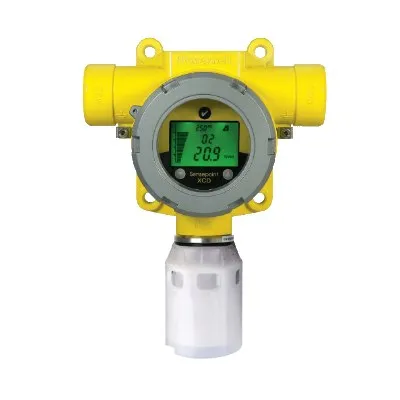
- Gas detection: detectors for flammable and toxic gases and for oxygen deficiency where nitrogen inerting is used.
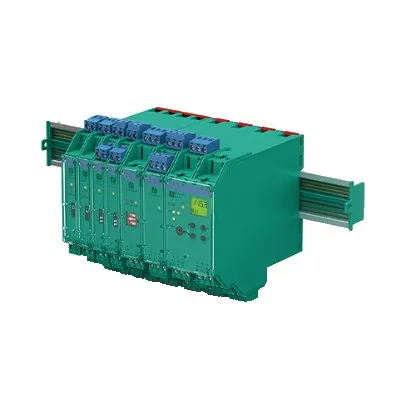
- Intrinsic safety: Pepperl+Fuchs isolated and Zener barriers and remote I/O for instruments in Zones 0 and 1.
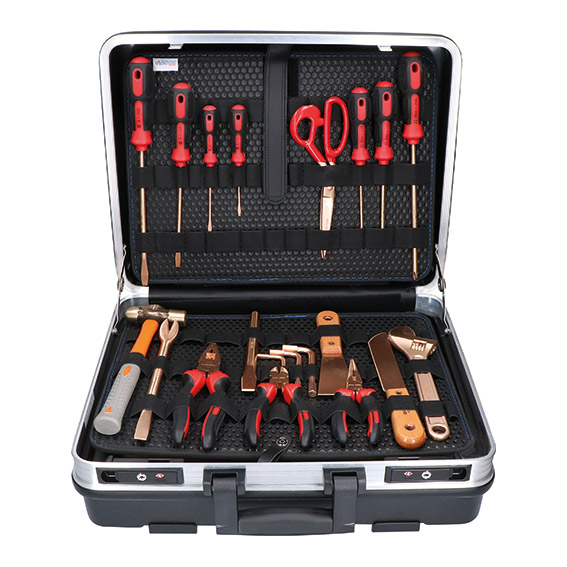
- Tools: non-sparking beryllium copper and aluminium bronze tools to reduce the risk of mechanical sparks.
How we help
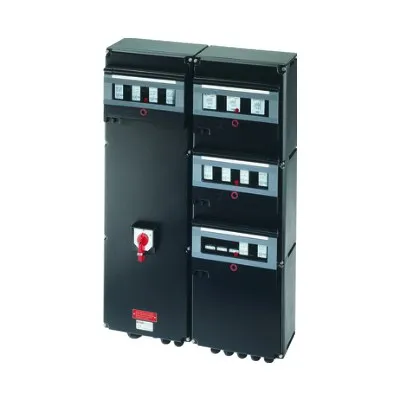
We design and assemble custom Ex enclosures, junction boxes, control stations and panels in-house, reviewing materials with you. Junction boxes and control stations are available with the 72-hour Express service, and the online configurator helps you prepare your request. As an authorised partner of Pepperl+Fuchs, we support you on intrinsic safety.
Through Atex Italia we offer consulting on area classification, training and inspections. Get in touch with the substances and zones involved.


 Can't find the right solution?We'll engineer it for you →