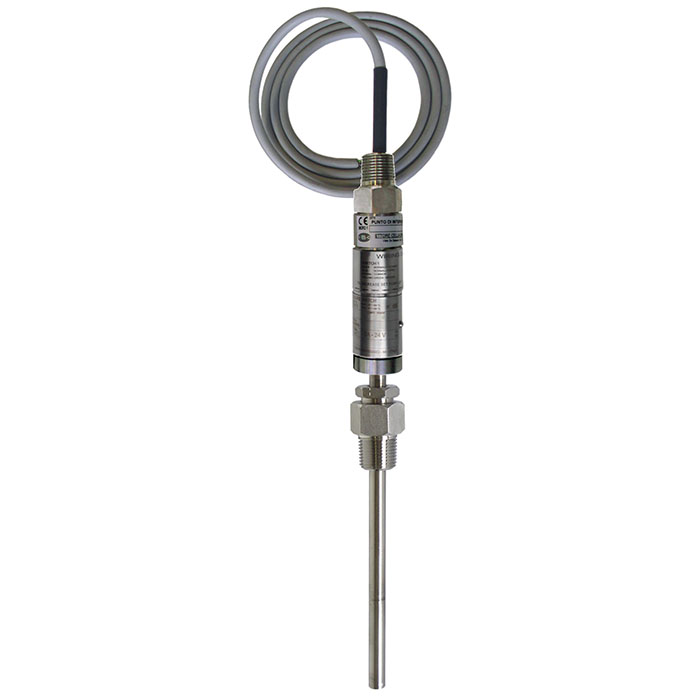
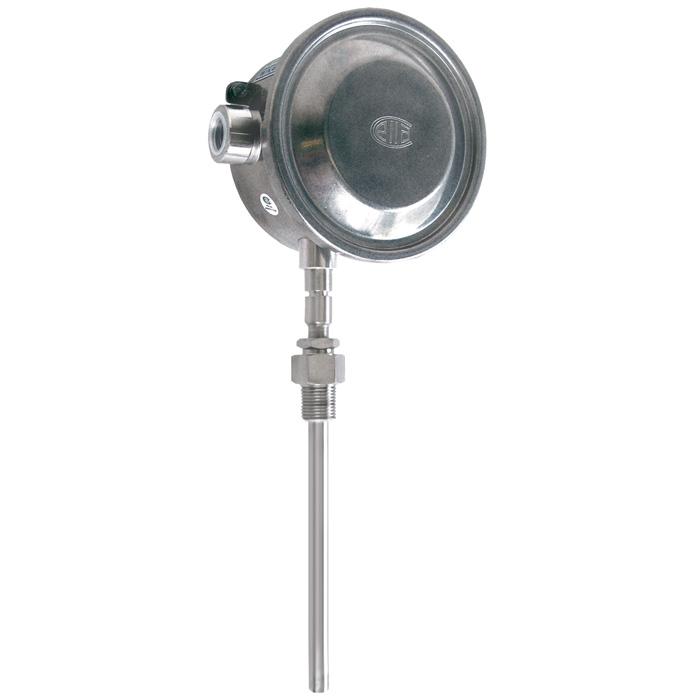
# General
Brand: WIKA
Category: Thermostats
Available models: 12
# Explosion protection
Ex approvals: ATEX, IECEx, UL, EAC, KCs, PESO, TIIS
Types of protection: Ex d (flameproof enclosure), Ex i (intrinsic safety), Ex n, Ex t (protection by enclosure)
Functional safety: SIL (selected models)
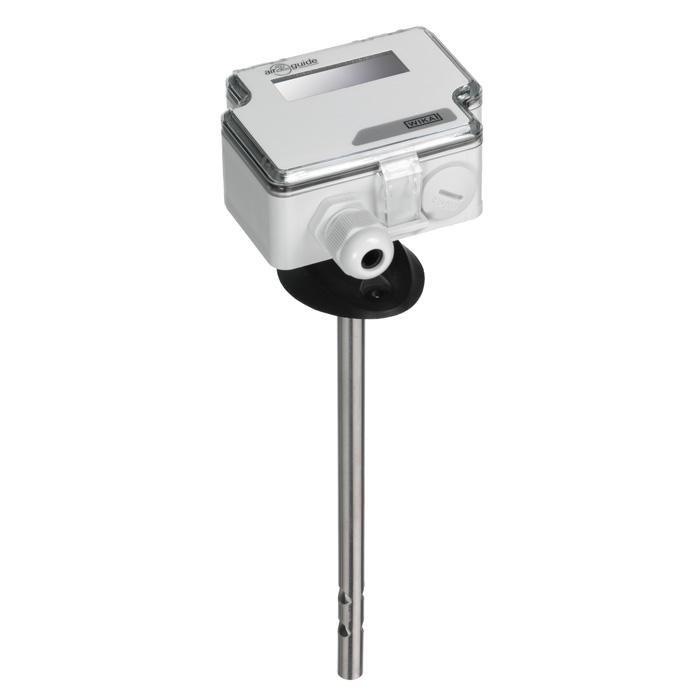
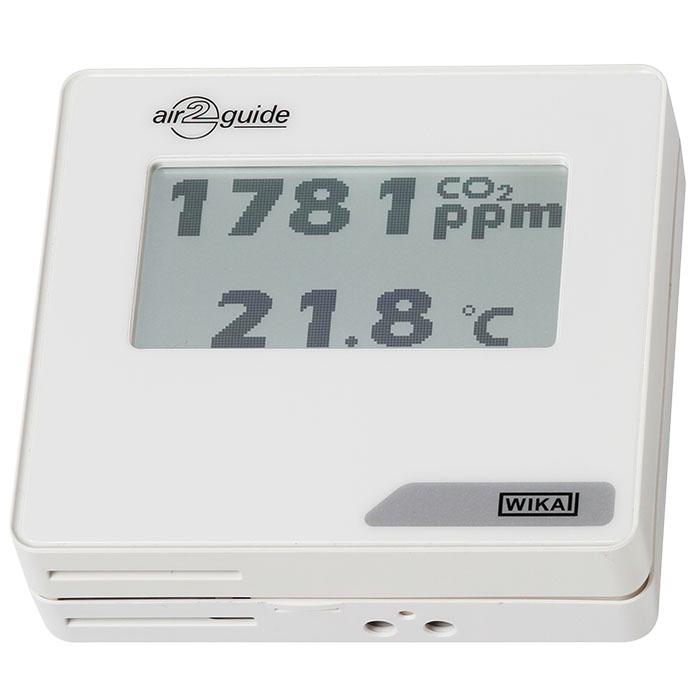
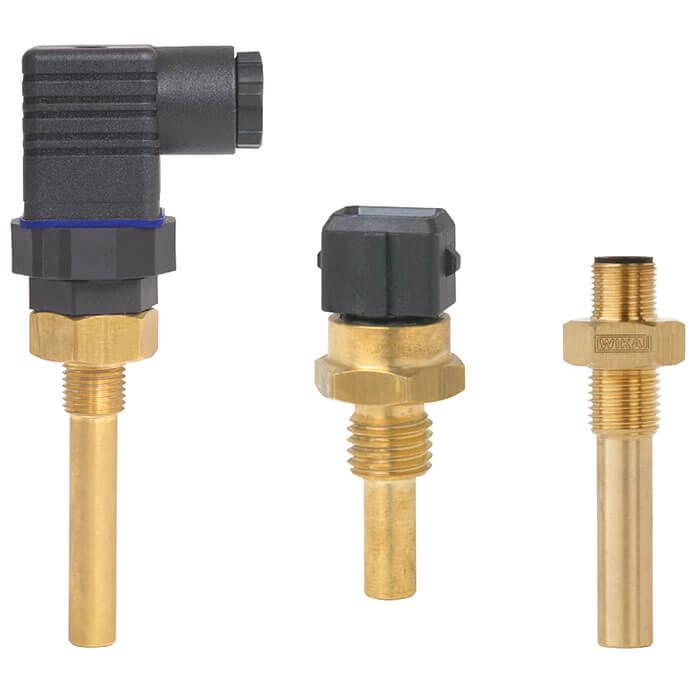
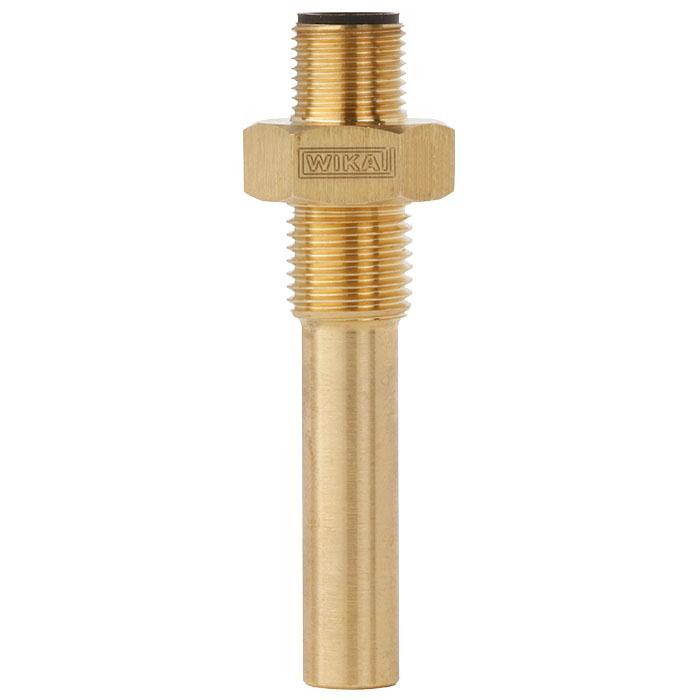
{"modelli":{"f":[["Version",["Mechanical temperature switch","Electronic temperature switch"]],["Temperature range min.",["-40 °C / -58 °F","-30 °C","-20 °C / -4 °F","-15 °C","0 °C / 32 °F"]],["Temperature range max.",["+50 °C / +122 °F","+70 °C / +158 °F","+120 °C / +248 °F","+150 °C / +302 °F","+250 °C","+600 °C"]],["Case design",["Screw-in switch","Field case","Rectangular case","With display"]],["Switch version",["Bimetal, 1 x normally closed","Bimetal, 1 x normally open","Transistor, 1 x PNP","Transistor, 1 x NPN","Transistor, 2 x PNP","Transistor, 2 x NPN","Micro switch"]],["Additional output signal",["Without","4 … 20 mA","0 … 10 V","IO-Link","Digital display"]],["Approvals",["ATEX","IECEx","UL","EAC","KCs","PESO","TIIS","SIL"]]],"r":[["A2G-20","Air velocity meter",[[],[4],[1],[],[0,1],[1,2,4],[]],0,"Data-sheets/Temperature/Temperature-transmitters/ds_sp6906_en_co.pdf",""],["A2G-200","Control panel with integrated room sensor",[[],[4],[0],[],[0,1],[1,2,4],[]],1,"Data-sheets/Temperature/Temperature-transmitters/ds_sp6912_en_co.pdf",""],["TFS35","Temperature switch – Bimetal version, for switching voltages up to 48 V",[[0],[0,1,2,3,4],[0,1,2,3],[0],[0,1],[0],[]],2,"Data-sheets/Temperature/Temperature-switches/ds_tv3501_en_co.pdf",""],["TFS135","Bimetal temperature switch – For switching voltages up to 250 V",[[0],[4],[0,1,2],[0],[0],[0],[2]],3,"Data-sheets/Temperature/Temperature-switches/ds_tv3502_en_co.pdf","UL"],["TXS","Mini temperature switch – Stainless steel switch enclosure",[[0],[3,4],[0,1,2,3,4],[0],[6],[0],[0,1,3,4,6,7]],4,"Data-sheets/Temperature/Temperature-switches/ds_tv3170_en_co.pdf","ATEX, IECEx, EAC, KCs, TIIS, SIL"],["TWG","Gas-actuated temperature switch – Stainless steel switch enclosure",[[0],[1,2,3,4],[0,1,2,3,4,5],[1],[6],[0],[0,3,4,6,7]],5,"Data-sheets/Temperature/Temperature-switches/ds_tv3160_en_co.pdf","ATEX, EAC, KCs, TIIS, SIL"],["TCS","Compact temperature switch – For the process industry",[[0],[1,2,3,4],[0,1,2,3,4],[2],[6],[0],[0,1,3,6,7]],6,"Data-sheets/Temperature/Temperature-switches/ds_tv3164_en_co.pdf","ATEX, IECEx, EAC, TIIS, SIL"],["TXA","Mini temperature switch – Flameproof enclosure Ex d",[[0],[3,4],[0,1,2,3,4],[0],[6],[0],[0,1,3,7]],7,"Data-sheets/Temperature/Temperature-switches/ds_tv3172_en_co.pdf","ATEX, IECEx, EAC, SIL"],["TCA","Compact temperature switch, flameproof enclosure Ex d – For the process industry",[[0],[1,2,3,4],[0,1,2,3,4],[2],[6],[0],[0,1,3,4,5,7]],8,"Data-sheets/Temperature/Temperature-switches/ds_tv3165_en_co.pdf","ATEX, IECEx, EAC, KCs, PESO, SIL"],["TAG","Gas-actuated temperature switch – Flameproof enclosure Ex d",[[0],[1,2,3,4],[0,1,2,3,4,5],[1],[6],[0],[0,1,3]],9,"Data-sheets/Temperature/Temperature-switches/ds_tv3161_en_co.pdf","ATEX, IECEx, EAC"],["TSD-30","Electronic temperature switch with display",[[1],[2,3,4],[0,1,2],[0,3],[2,3,4,5],[0,1,2,3,4],[2]],10,"Data-sheets/Temperature/Temperature-switches/ds_te6703_en_co.pdf","UL"],["A2G-65","Frost protection thermostat",[[],[0],[1],[],[0,1],[0],[]],11,"Data-sheets/Temperature/Temperature-switches/ds_te6292_it_it.pdf",""]],"s":{"u":"https://cdn.prod.website-files.com/6aa55eca30c5bd4a1e486a4c/6ade220e48f2f4531aae76c7_mfw-termostati.jpg","c":12}}}



 Can't find the right solution?We'll engineer it for you →